IFZA vs SHAMS Free Zone 2026: Which Is Right for Your Business?
Choosing the right UAE free zone can save your business thousands of dirhams every year — and the comparison that comes up most often for cost-conscious entrepreneurs is IFZA (International Free Zone Authority) versus SHAMS (Sharjah Media City Free Zone). Both offer competitive pricing, flexible activity packages, and legitimate UAE residency visa eligibility. But they serve very different business profiles.
Most comparison guides stop at listing package prices side by side. That’s useful, but it misses the question that actually matters: which one fits your specific business model, your banking timeline, and your client expectations? The answer isn’t always the cheaper one.
Here’s what a decade of helping entrepreneurs set up UAE companies has taught us: the choice between IFZA and SHAMS rarely goes wrong because of cost. It goes wrong because founders don’t ask the right questions before they sign up.
What IFZA and SHAMS Actually Are — And Why the Comparison Matters
Both free zones get lumped into the “affordable UAE license” category. That’s fair. But treating them as interchangeable is where most people make a costly mistake.
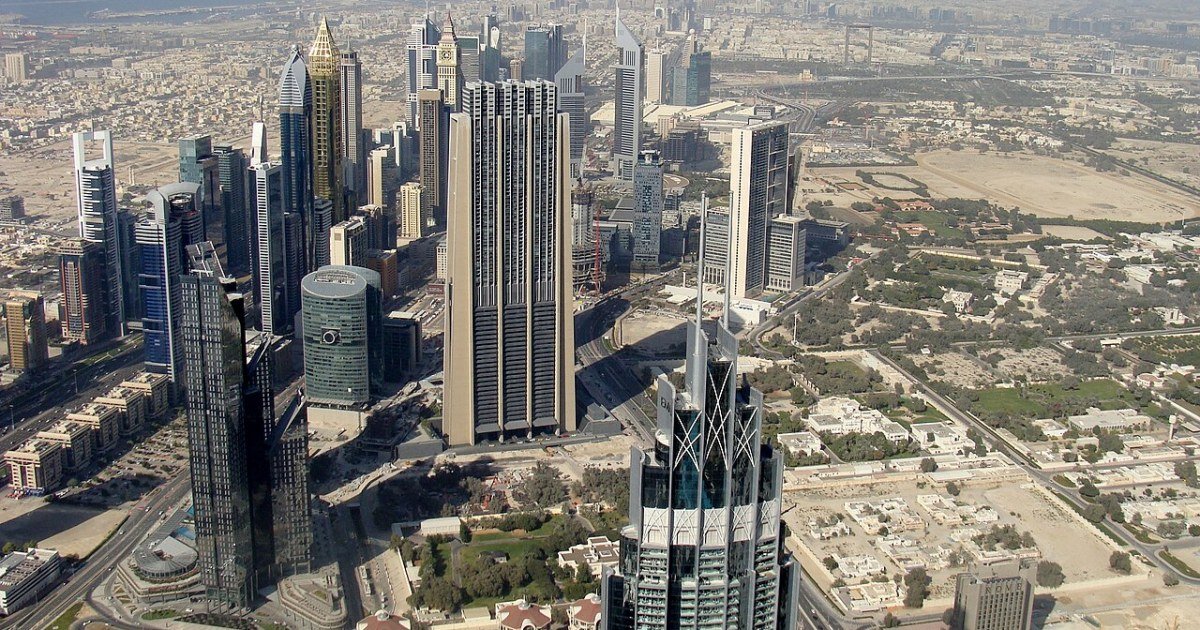
IFZA sits inside Dubai Silicon Oasis, a technology and innovation park about 25 minutes from Downtown Dubai on Sheikh Mohammed Bin Zayed Road. Launched in 2018 as a joint venture backed by a Swiss holding group and Dubai Silicon Oasis Authority, IFZA carries both a Dubai postal address and solid institutional credibility. That Dubai address matters — not just for prestige, but for bank account applications, client perception, and certain regulated activities where Sharjah simply doesn’t carry the same weight.
SHAMS is a Sharjah government initiative launched in 2017, specifically designed to attract media, creative, and freelance professionals. Located in Sharjah’s university city area, roughly 30-40 minutes from central Dubai, SHAMS was deliberately priced as an entry-level option. The idea was to give solo operators and small creative businesses a real UAE company without the five-figure price tag of DMCC or even IFZA.
Both offer 100% foreign ownership (standard for all UAE free zones since the 2021 Companies Law reforms), multiple UAE residency visas, and legitimate business bank account eligibility. The differences that actually matter are in cost structure, activity scope, banking reception, and the kind of client or business model each suits best.
But here’s what most guides miss: the choice between IFZA and SHAMS isn’t really about which is “better.” It’s about which fits your revenue model, your visa needs, and what your clients or banking relationships expect from your company address.
The Real 2026 Cost Breakdown — What You’ll Actually Pay
Every comparison shows starting package prices. What they don’t show you is what you actually pay once you factor in visa costs, medical insurance, Emirates ID, establishment card fees, and the renewal charges that hit in year two.
Here’s what IFZA realistically costs in 2026:
- License only (0 visas, flexi-desk): AED 12,900/year
- License + 1 visa allocation: AED 15,900/year
- License + 2 visa allocations: AED 18,900/year
- License + 3 visa allocations: AED 22,900/year
That’s just the package. Add to this:
- Visa stamping fees: AED 3,200–4,500 per person
- Medical fitness test: AED 320–450 per person
- Emirates ID: AED 370 per person (2-year card)
- Establishment card: ~AED 1,500
- Mandatory health insurance: AED 800–2,200/year per person (basic Dubai plan)
For a solo founder getting IFZA with 1 visa, the real first-year cost lands between AED 21,000 and AED 24,500 depending on their nationality and insurance choice.
SHAMS is genuinely cheaper:
- Freelance permit (sole operator, 0 visa): AED 5,750/year
- Professional license + 1 visa allocation: AED 7,500–8,500/year
- Package with 2 visa allocations: AED 11,500–13,000/year
All-in with visa costs, a SHAMS solo operator wanting UAE residency is looking at roughly AED 12,500–15,000 in year one — AED 6,000–9,000 less than the equivalent IFZA setup.
But here’s the counter-intuitive insight that catches people off guard: SHAMS’s lower cost can actually slow you down in one specific scenario. Some UAE banks — particularly Emirates NBD, Mashreq, and FAB — apply additional scrutiny to SHAMS-licensed entities compared to IFZA ones. If you need a business account quickly, IFZA’s Dubai address can shorten the banking process by 2–4 weeks. Whether that time saving is worth the extra AED 6,000 is a calculation only you can make — but it’s a real consideration, not a sales pitch.
Visa Eligibility, Processing and What UAE Residency Actually Gets You
Both IFZA and SHAMS allow you to apply for UAE investor residency visas through your company. But there are a few misconceptions worth clearing up first.
A UAE free zone visa is a residence permit tied to your company, not a permanent residency. It’s renewable every 2–3 years (IFZA now offers 3-year investor visa options) and must be renewed when it expires. It doesn’t give you the right to work for UAE mainland companies without a separate employment visa, and it doesn’t automatically qualify you for a UAE Golden Visa — though your company’s financial performance might open that door later.
IFZA visa timeline, realistically:
- Entry permit (e-visa): 3–5 working days after license approval
- Status change (if already in UAE): immediate to 3 days
- Medical and biometrics: 1–3 days wait at AMER centers
- Emirates ID: 7–10 working days from biometrics
- Residence visa stamp in passport: 2–3 working days
Total realistic timeline from license approval to visa in passport: 3–4 weeks.
SHAMS follows a similar process through the Federal Authority for Identity and Citizenship (ICA) via Sharjah channels. Some founders report slightly longer waits for medical appointment slots in Sharjah versus Dubai. Practically speaking: both are 3–5 weeks for first-time applicants.
One thing worth checking: SHAMS freelance permit holders at the entry-level tier need to confirm visa eligibility before assuming the cheapest package includes it. Not all SHAMS entry-level products come with visa allocation. IFZA is clearer on this — every licensed entity with a visa allocation in the package is immediately eligible. If your primary reason for setting up a UAE company is the residency visa, confirm with SHAMS before signing up for their lowest-cost product.
Activities, Restrictions and What You Can Actually Do
SHAMS launched as a media free zone and, while it has expanded significantly, it still has a clear bias toward creative and knowledge-economy work.
SHAMS works well for: digital marketing agencies, social media management, content creation, photography and videography, publishing, PR and communications, IT consulting, software development, graphic design, online education, e-commerce platforms, podcasting, and creative freelancers.
IFZA works well for: everything SHAMS does, plus general trading, import-export consultancy, management consulting, engineering consulting, HR and recruitment, financial advisory (non-regulated), real estate brokerage, hospitality consulting, healthcare consulting, and broad business services.
The meaningful gap is in trading activities. IFZA permits general trading under its license with relative of. SHAMS does not issue general trading licenses as a standard product — it’s structured around services and media, not physical goods. If any part of your business involves trading physical products, even in a consultancy or brokerage capacity around goods, IFZA is the correct choice. Don’t try to shoehorn a trading business into a SHAMS license.
For pure professional services — consultants, coaches, designers, agencies, digital businesses — both work. But there’s a nuance worth knowing: some multinational clients and corporate procurement departments flag Sharjah free zone addresses in their vendor due diligence processes. It doesn’t happen often, but it does happen. If you’re pitching to large UAE conglomerates, government entities, or European companies with strict vendor compliance requirements, IFZA’s Dubai Silicon Oasis address passes through without a second look. SHAMS sometimes prompts a follow-up question.
The Mistakes People Make When Choosing Between These Two
Having walked hundreds of founders through this decision, the same patterns come up repeatedly.
Choosing SHAMS purely on price, then needing a bank account urgently. SHAMS is legitimate and banks accept it. But when you’re racing to open an account because a contract starts in three weeks, the additional scrutiny some banks apply to Sharjah free zone entities adds friction you don’t need. The AED 6,000 saving looks different when your account application drags on for eight weeks instead of four.
Choosing IFZA for “trading” without understanding what that means in a free zone context. A free zone trading license doesn’t automatically let you import goods at scale, sell to UAE mainland customers, or run a retail operation. If your model involves selling physical products to UAE consumers (not re-exporting), you likely need a mainland license or a free zone-to-mainland distribution arrangement. Refer to our guide on UAE business setup options for the full breakdown on how mainland and free zone entities interact commercially.
Assuming visa allocations are unlimited. Both free zones tie visa allocations to physical space arrangements. The flexi-desk and virtual office packages that make IFZA and SHAMS affordable typically cap at 2–3 visas. If you plan to hire five staff in year one, you’ll need either a dedicated office or a more expensive package than entry-level pricing suggests.
Ignoring the bank account question entirely until after license issuance. Which bank will you use? RAK Bank, Mashreq, WIO Bank, and Emirates NBD all have different appetite levels for new free zone companies. Some require a minimum of 6 months’ trading history before they’ll consider an application. Figure this out before you pay your license fee.
Treating either free zone as a corporate tax strategy. Since the UAE introduced 9% corporate tax in June 2023, free zone companies only qualify for 0% tax on qualifying income if they maintain proper substance requirements and derive income from qualifying activities. “Being registered in a free zone” is no longer enough. Talk to a UAE tax advisor — the Federal Tax Authority (FTA) guidelines are explicit, and the stakes of getting it wrong are significant.
What Most IFZA vs SHAMS Guides Don’t Tell You
Your second year often costs more than your first.
Both IFZA and SHAMS, like most UAE free zones, occasionally run promotional pricing on new registrations. The AED 5,750 SHAMS package you see advertised might be a new-company rate valid for year one only. Renewal pricing can be 10–20% higher. Before signing up, ask explicitly: “What is the renewal fee in year two?” Get it in writing. This is a habit worth developing with any UAE free zone.
Similarly, IFZA has been known to adjust package pricing upward at renewal for companies that want to add visa allocations or change activity categories. It’s not deceptive — it’s standard commercial practice. But it surprises people who budgeted based on year-one pricing alone.
And one more thing: if you’re deep in the IFZA vs SHAMS comparison because you’re primarily driven by cost, it’s worth spending 20 minutes looking at RAKEZ (Ras Al Khaimah Economic Zone). For the right business — especially remote service providers with no UAE-based clients who need a UAE entity primarily for banking and residency — RAKEZ sometimes comes in 15–20% below SHAMS on equivalent packages. It doesn’t have SHAMS’s creative-sector profile or IFZA’s Dubai address, but it’s a legitimate, well-run free zone that gets overlooked in most comparisons.
If your situation involves mixed activities, multiple visa holders, family sponsorship, or any regulated professional licensing — and you’re not sure whether IFZA, SHAMS, or something else is the right call — drop us a message on WhatsApp at +971507864823. It’s usually faster than email and we reply within the hour.
Frequently Asked Questions
Can I open a UAE bank account with an IFZA or SHAMS license?
Yes — both are accepted by UAE banks, though your experience will vary by bank and business profile. For IFZA, RAK Bank, Mashreq, and WIO Bank are generally more receptive to new companies with limited trading history. For SHAMS, the same applies, though some larger banks apply slightly more scrutiny to Sharjah free zone entities. Either way, prepare a proper business plan, proof of intended activities, and a clean source-of-funds declaration. Most rejections fail on documentation, not on the free zone itself. Budget 4–8 weeks for the process regardless of which license you hold.
Is SHAMS only for media and creative businesses?
Not anymore. SHAMS started as a media-focused free zone in 2017 but significantly expanded its permitted activities list since then. Today it covers digital marketing, IT, e-commerce platforms, education, consulting, and a broad range of professional services. That said, if your work involves physical goods trading, import-export, or activities that aren’t clearly service-based, IFZA or a mainland license is more appropriate. When in doubt, request SHAMS’s current permitted activities list directly — it’s more comprehensive than most guides suggest, but it has genuine limits that aren’t going away.
Which free zone processes faster — IFZA or SHAMS?
Both can issue a license within 3–5 working days for straightforward applications. IFZA occasionally processes same-day for simple single-activity setups. SHAMS is similarly fast, though Sharjah’s government systems can have occasional delays during peak periods — typically October and the weeks immediately following Eid. If speed is critical, IFZA has a slight edge because Dubai’s company registration infrastructure has more staffing redundancy. Either way, don’t expect anything faster than a week when you factor in document verification and notarisation requirements for overseas applicants.
Do I need to be in the UAE to set up with either free zone?
You can initiate both applications remotely, but you’ll need to visit the UAE in person for the visa medical, biometrics for Emirates ID, and most bank account openings. IFZA has a well-established remote incorporation process for overseas founders. SHAMS also accommodates remote setup at the company registration phase. If you want your UAE residency visa on the same trip as your company setup, plan for a minimum 10-day visit. Most advisors will coordinate the timeline so you’re not making multiple trips unnecessarily — it’s worth asking when you engage them.
Can I hold both an IFZA license and a SHAMS license?
Yes. There’s no UAE law preventing you from holding licenses in multiple free zones or combining a free zone license with a mainland entity. Some entrepreneurs do exactly this — an IFZA license for consulting work with UAE-based corporate clients (where the Dubai address helps), and a SHAMS license for creative freelance work at a lower annual cost. The complication is that each company is a separate legal entity requiring separate bank accounts, bookkeeping, and tax filings once you exceed the AED 375,000 revenue threshold. Make sure the administrative overhead is worth the cost saving before going down this path. It often isn’t for solo operators.
The Bottom Line on IFZA vs SHAMS
If you’re a service professional, digital business owner, creative, or consultant who wants to keep costs genuinely low and doesn’t need a Dubai address for client or banking reasons, SHAMS delivers solid value. The AED 5,750 starting price is real, the license is legitimate, and the visa process works.
If you’re doing any trading, need a Dubai-branded address for client confidence, plan to bank with larger UAE commercial banks quickly, or want maximum flexibility as your business evolves, IFZA is the better-structured choice — and worth the additional AED 6,000–9,000 annually.
Both are established, professionally run free zones that issue legally valid UAE commercial licenses. Neither is a shortcut. The question is which fits your model.
Still unsure? Reach out on WhatsApp at +971507864823 — describe your activity type, how many visas you need, and whether you have UAE-based clients — and we’ll give you a straight answer, usually within the hour.