DMCC vs IFZA 2026: The Ultimate Comparison Guide for Choosing Your Dubai Free Zone
DMCC vs IFZA 2026: The Ultimate Comparison Guide for Choosing Your Dubai Free Zone
Choosing between DMCC vs IFZA is one of the most important decisions an entrepreneur can make when planning a Dubai free zone company in 2026. Both are highly respected free zones, but they serve very different types of businesses, budgets, and growth ambitions. DMCC (Dubai Multi Commodities Centre) is widely regarded as the gold standard for established trading and commodities businesses, while IFZA (International Free Zone Authority) has built its reputation as one of the most affordable and flexible options for startups, consultants, and small-to-mid sized service companies.
This in-depth 2026 comparison guide breaks down the cost of DMCC vs IFZA, the differences in licensing, visa allocations, office requirements, banking reputation, and which free zone is the better strategic fit for your specific business model. By the end, you will know exactly which Dubai free zone deserves your investment.
DMCC vs IFZA at a Glance: Quick Comparison Table
Before we dive into the details, here is a high-level snapshot of how the two free zones compare in 2026:
- Setup cost: DMCC starts from approximately AED 34,340 (single-shareholder package); IFZA starts from approximately AED 12,500.
- License renewal: DMCC renewal averages AED 20,000+; IFZA renewal averages AED 11,500–14,500.
- Visa cost per person: DMCC AED 4,500–6,500; IFZA AED 3,500–5,200.
- Minimum office requirement: DMCC requires a physical office or flexi-desk inside JLT towers; IFZA offers virtual flexi-desk packages with no physical presence required.
- Visa quota: DMCC up to 6 visas with flexi-desk; IFZA bundles up to 7+ visas in standard packages.
- Reputation: DMCC is a Tier-1 globally recognised free zone preferred by banks; IFZA is fast-growing and respected, but newer brands may need stronger documentation when opening corporate accounts.
- Best for: DMCC is best for commodities, gold, diamonds, crypto, and serious trading firms; IFZA is best for consultants, e-commerce founders, freelancers, and cost-conscious service businesses.
DMCC Free Zone Overview: The Premium Choice
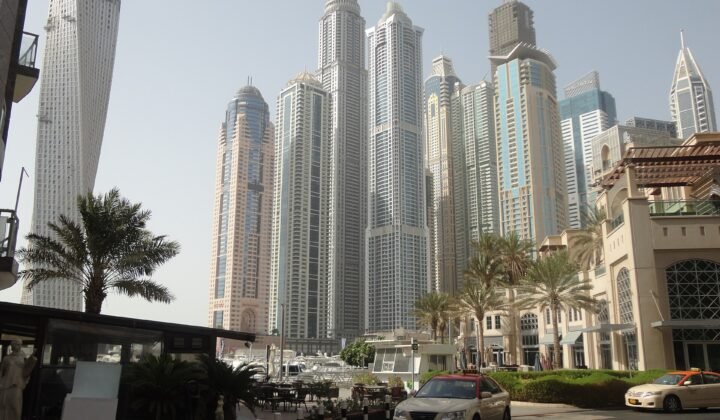
DMCC is the largest and most awarded free zone in the UAE, located in the Jumeirah Lakes Towers (JLT) district of Dubai. It is home to over 25,000 member companies, has been named Global Free Zone of the Year by the Financial Times’ fDi Magazine for nine consecutive years, and is the preferred jurisdiction for commodities trading worldwide.
The DMCC ecosystem is exceptionally strong for businesses in gold and precious metals, diamonds, tea, coffee, agro-commodities, energy, financial services, and increasingly crypto and Web3 ventures. DMCC has its own crypto centre, AI centre, and gaming centre, making it a magnet for emerging-tech founders who want institutional credibility from day one.
For a deeper look at packages and licensing, see our DMCC Free Zone Dubai 2026 Complete Setup Guide, which covers every cost line item.
IFZA Free Zone Overview: The Cost-Effective Alternative
IFZA, originally launched in Fujairah and now headquartered in Dubai Silicon Oasis, has become the go-to free zone for entrepreneurs who want a credible UAE company without paying premium rates. It is one of the few free zones offering bundled packages that include a license, multiple visa allocations, and an immigration card for under AED 15,000 in the first year.
IFZA permits more than 1,500 business activities, including consultancy, marketing, IT services, e-commerce, general trading, education, and media. It does not require a physical office for most license types, making it ideal for remote founders, digital nomads, and lean teams. IFZA partners with a wide network of registered agents who can complete the setup in three to five working days.
If you want a complete walkthrough of IFZA’s licensing tiers and cost ladder, our IFZA Free Zone Dubai Complete 2026 Setup Guide is the best starting point.
DMCC vs IFZA Cost Comparison 2026
The cost gap between DMCC and IFZA is the single biggest factor most founders weigh. Here is how the two stack up across the typical first-year budget for a single-shareholder company with 1–2 visas:
- License fee (first year): DMCC AED 20,540 (Trading & Services), AED 25,000+ for premium activities. IFZA AED 12,500 (Consultancy package, no visa) to AED 17,900 (with 1 visa).
- Registration fee: DMCC AED 10,000 (one-off). IFZA included in package.
- Establishment card / immigration card: DMCC AED 1,200/year. IFZA bundled.
- Flexi-desk / office: DMCC AED 12,000–24,000/year for flexi-desk; from the applicable current amount+ for physical office. IFZA AED 0 (virtual office included) to AED 15,000 for shared workspace.
- Per-visa cost: DMCC AED 4,500–6,500. IFZA AED 3,500–5,200.
- Total realistic year-1 budget: DMCC AED 34,000–55,000; IFZA AED 12,500–22,000.
For a wider view across other budget-friendly options, see our low-cost free zone license in UAE 2026 cost comparison guide.
Activities and Business Licenses: Which Free Zone Wins?
The activity list is where DMCC and IFZA diverge sharply. DMCC is designed around regulated and institutional activities. It is the only free zone in the world with full-fledged DMCC Tradeflow (a digital warehouse receipts platform), DMCC Tea Centre, and the world’s largest dedicated gold and diamond trading ecosystem (Almas Tower).
IFZA’s strength is breadth. It offers more than 1,500 activities under categories including:
- Consultancy (management, marketing, business, HR, IT)
- Commercial / Trading (general and specialised)
- Industrial (limited, light manufacturing only)
- Service activities (education, design, content creation, software)
- E-commerce and online platforms
- Media, events and entertainment
- Holding companies and family offices
If your business model is regulated (financial advisory, insurance brokerage, crypto exchange, precious metals trading), DMCC is almost always the right answer. If your business is service-led and the activity is unregulated, IFZA gives you the same legal credibility at one-third of the cost.
Office Requirements: Flexi-Desk, Smart Office, or Full Office?
DMCC requires every member company to maintain a physical presence inside JLT — either through a flexi-desk (shared workspace), a Smart Office, or a fitted-out office in one of its 87 towers. The minimum flexi-desk option is approximately AED 12,000 per year and entitles you to up to 3 visas. To unlock more visas, you must scale up to a Smart Office or a dedicated office, which can push real-estate costs north of the applicable current amount per year.
IFZA does not require a physical office for most service-based licenses. Founders can operate fully remotely with just a virtual desk address included in the package. Physical offices are available for those who want them through partner workspaces in Dubai Silicon Oasis, but they are optional rather than mandatory. This flexibility is a major reason IFZA has grown so fast among first-time entrepreneurs.
Visa Allocations and Family Sponsorship
Both free zones allow shareholders to sponsor family members, but the numbers differ:
- DMCC flexi-desk: Up to 6 visas (3 standard, 3 with upgrade).
- DMCC Smart Office: Up to 9 visas, with more available based on office size.
- IFZA Standard Package: 1–7 visas depending on tier; some packages include up to 9 visas at premium tiers.
- Family sponsorship: Both free zones allow investors earning AED 15,000+ per month (or owning property over AED 1 million) to sponsor spouses, children, and parents.
If you are planning to relocate your family, both jurisdictions work fine. The deciding factor is usually total cost, since family visa fees, medical tests, and Emirates ID are paid through the GDRFA regardless of which free zone issued your investor visa. To understand long-term residency options, review our UAE Golden Visa Requirements 2026 Reference Guide.
Banking and Reputation: Where DMCC Has the Edge
UAE banks have, in recent years, become more cautious about onboarding free zone companies, particularly newer or lower-cost ones. This is where DMCC’s reputation pays a real dividend. Most UAE banks (Emirates NBD, Mashreq, ENBD Private, ADCB, FAB, RAKBANK) have streamlined onboarding processes for DMCC entities because of the rigorous due diligence DMCC performs at the licensing stage.
IFZA companies can also open business bank accounts, but founders should expect more documentation requests, a longer KYC process, and occasional rejections — particularly for digital-only banks. Building a clean source-of-funds story, providing a solid business plan, and showing genuine economic substance (a real client list, contracts, and a UAE address) makes a meaningful difference. For a full breakdown of UAE banking strategies, our corporate bank account opening assistance 2026 strategic guide walks through every step.
Which Free Zone Should You Choose: DMCC or IFZA?
Use this simple decision framework to choose between DMCC vs IFZA:
- Choose DMCC if you trade physical commodities, run a regulated financial or fintech business, plan to raise institutional capital, want frictionless banking, or operate a serious gold, diamond, or crypto venture.
- Choose IFZA if you are launching a consultancy, agency, e-commerce store, freelance practice, or remote startup; budget under AED 25,000 in year one; and want a fast turnaround without office overhead.
- Choose neither and look elsewhere if you need a Mainland trade license to serve UAE customers directly without a local distributor — in that case, mainland licensing is the better path.
Many founders start at IFZA to keep costs low in years one and two, then migrate to DMCC once revenue justifies the higher annual fees and the banking/credibility upgrade. Both are perfectly legitimate paths.
DMCC vs IFZA Frequently Asked Questions
Is DMCC more expensive than IFZA? Yes. DMCC’s first-year cost is typically AED 34,000–55,000 versus IFZA’s AED 12,500–22,000. DMCC commands a premium because of its regulatory rigour, location, and global reputation.
Can I move my company from IFZA to DMCC later? Yes, but it requires liquidating the IFZA entity (or maintaining it as a separate operating vehicle) and incorporating a new DMCC company. Some clients hold both for different revenue streams.
Which free zone is better for opening a UAE business bank account? DMCC has the smoother banking experience because of its long-standing reputation. IFZA companies can absolutely open accounts, but should prepare more documentation and consider working with banks that have streamlined free zone processes such as Mashreq NeoBiz, RAKBANK, or WIO.
Does IFZA allow general trading? Yes, IFZA permits a general trading license, including import, export, and re-export. The license is significantly cheaper than DMCC’s general trading license but is restricted to trade conducted from within the free zone (not direct mainland UAE sales without a local distributor).
Which free zone is better for a freelancer or solopreneur? IFZA. Its consultancy package starts at AED 12,500 with no office requirement and includes 1–2 visa eligibility, making it the most cost-effective entry point for solopreneurs in the UAE in 2026.
Final Verdict: DMCC vs IFZA 2026
The DMCC vs IFZA decision ultimately comes down to budget versus prestige. DMCC delivers an institutional-grade environment that is hard to beat for trading firms, commodities, regulated industries, and businesses that depend on smooth banking. IFZA delivers a remarkable price-to-value ratio for service-led entrepreneurs who want a credible UAE company without inflating overhead.
Whichever you choose, both DMCC and IFZA are stable, well-regulated, and recognised globally — you cannot go wrong with either, only over- or under-pay. The smart move is to match your free zone to your business model and growth horizon.
Need help making the final call? Get a free, personalised quote from UAE Free Zone Finder and we will benchmark DMCC vs IFZA (and any other free zone) against your specific activities, visa needs, and budget — usually in under 24 hours.