Living in UAE Free Zones: Housing, Schools, and Community Amenities

By UAE Freezone Finder Team | Updated September 2026
A practical guide to finding housing, schools, and community services for businesses and families relocating to UAE free zones. For the modern entrepreneur, the decision to launch a company in the Emirates is rarely just about corporate tax exemptions or 100% ownership. It is a lifestyle choice. As the UAE continues to evolve its Golden Visa and Green Visa programmes, the boundaries between work and life have blurred, leading to the rise of “Live-Work-Play” ecosystems within the most prominent free zones.
Navigating the Dubai free zone setup process is the first step, but securing a comfortable home, a reputable school for your children, and access to world-class healthcare is what ensures long-term success. This UAE free zone residential guide explores the top-tier zones that offer integrated living, the costs you can expect in 2026, and the administrative hurdles you will need to clear to make the UAE your permanent home.
Which UAE free zones offer the best residential environments?
Dubai Multi Commodities Centre (DMCC) and the Jumeirah Lakes Towers (JLT) lifestyle
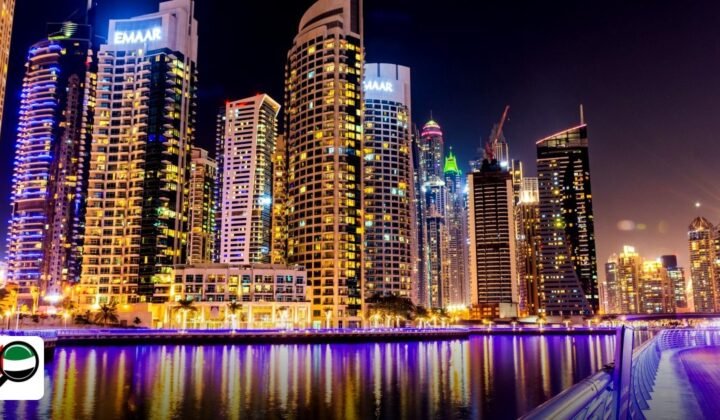
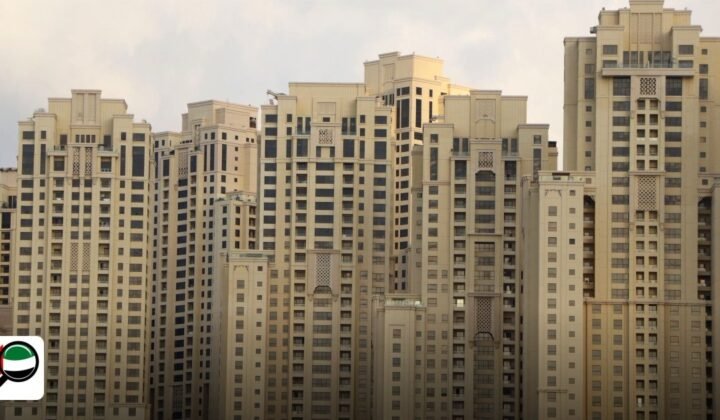
DMCC remains the gold standard for integrated free zone living. Located in the heart of “New Dubai,” JLT consists of 80 towers clustered around three man-made lakes and a massive central park. By 2026, JLT has matured into a vibrant community where residents can walk from their apartments to their offices in minutes. The area is favoured by Western expats for its high density of independent cafes, fitness centres, and its proximity to the Dubai Metro. It offers a cosmopolitan atmosphere that is hard to replicate in more industrial or specialised zones.
Dubai Silicon Oasis (DSO) as a family-centric tech hub
If DMCC is for the high-flying urbanite, Dubai Silicon Oasis is the sanctuary for families. As a “city within a city,” DSO provides a mix of high-rise apartments and gated villa communities like Cedre Villas and Semmer Villas. The zone is specifically designed to support the tech industry, but its residential appeal lies in its greenery, quiet streets, and the presence of established schools within the zone’s boundaries. In 2026, it remains one of the most cost-effective yet high-quality residential options for free zone entrepreneurs.
Masdar City and sustainable living in Abu Dhabi
For those looking at Abu Dhabi free zones, Masdar City represents the future of sustainable urban development. It is one of the world’s most sustainable communities, using low-carbon technology and renewable energy. Residents here enjoy a pedestrian-friendly environment with “magnetic” cooling systems that make outdoor walking viable even during warmer months. It is an ideal choice for consultants and tech founders who value environmental consciousness and a quieter, more academic atmosphere near Khalifa City.
Sharjah Media City (SHAMS) and the Al Hamra connection
While SHAMS itself is a media-focused business park, many of its license holders choose to live in nearby Al Hamra or the Tilal City developments. Sharjah offers a more traditional, family-oriented lifestyle with significantly lower rental costs than Dubai, while still providing high-end amenities. The proximity to the University City of Sharjah makes it a primary choice for those in the education or research sectors.
What are the current 2026 housing costs across major free zones?
Housing costs in the UAE have stabilised in 2026 following the post-pandemic surge, but premium locations still command a significant portion of a household budget. Rent is typically paid in 1 to 4 cheques per year, though monthly digital payments are becoming more common via the “Direct Debits” system integrated with the Ejari platform.
| Free Zone / Area | 1-Bed Apartment (Annual) | 3-Bed Villa (Annual) | Vibe / Audience |
|---|---|---|---|
| DMCC (JLT) | AED 110,000 – 145,000 | AED 280,000+ (Nearby) | Urban, Active, Social |
| Dubai Silicon Oasis | AED 65,000 – 85,000 | AED 190,000 – 240,000 | Quiet, Family, Tech |
| Masdar City (AD) | AED 75,000 – 95,000 | AED 210,000 – 260,000 | Eco-friendly, Modern |
| RAKEZ (Al Hamra) | AED 55,000 – 75,000 | AED 150,000 – 200,000 | Coastal, Relaxed |
Understanding the hidden costs of housing
When budgeting for your UAE free zone residential guide, you must account for more than just the base rent. In 2026, most free zone residents should factor in a 5% security deposit (10% for furnished), a 5% agency commission, and the “Housing Fee” which is typically 5% of the annual rent, added to your monthly DEWA (Dubai Electricity and Water Authority) or ADDC (Abu Dhabi Distribution Company) bill. Cooling charges (chiller fees) can be a significant addition if the building does not offer “chiller-free” options, often costing between AED 500 and AED 1,500 per month depending on the season.
How do you find the right schools for your children?
Choosing between British, American, and IB curriculums
The UAE boasts one of the most diverse private education sectors in the world. For families relocating to free zones, the choice of curriculum often depends on their long-term plans. British (GCSE/A-Level) and International Baccalaureate (IB) are the most popular among expats. In 2026, schools like GEMS Dubai American Academy and Repton School remain top-tier choices. Within Dubai Silicon Oasis, the GEMS Wellington Academy is a cornerstone for residents, offering a seamless transition for children of tech professionals.
Understanding the KHDA and ADEK rating systems
Parents should rely on the Knowledge and Human Development Authority (KHDA) in Dubai and the Abu Dhabi Department of Education and Knowledge (ADEK) ratings. These government bodies inspect schools annually and rate them from “Outstanding” to “Weak.” These ratings directly correlate with the school’s ability to increase fees. In 2026, an “Outstanding” rated school for a Grade 1 student will typically cost between AED 55,000 and AED 85,000 per annum.
Enrolment timelines and requirements
The academic year in the UAE starts in late August or early September. However, for schools following the Indian or Pakistani curriculum, the year begins in April. It is highly recommended to begin the application process at least six months in advance. You will need your child’s Emirates ID, which can only be obtained after your free zone residency visa is stamped. Most schools allow “provisional” registration while the visa is being processed.
What community amenities are essential for relocation?
Healthcare and insurance standards in 2026
Healthcare is mandatory for all UAE residents. When setting up in a free zone, the company is legally required to provide health insurance for its employees, while the individual is responsible for their dependents. High-end communities like JLT and DSO have multi-specialty clinics such as Mediclinic and Aster within their borders. For more complex procedures, residents have access to “Healthcare City” in Dubai, a dedicated free zone for medical excellence.
Retail, dining, and leisure facilities
The concept of the “15-minute city” is prevalent in UAE free zones. In DMCC, the “JLT Park” serves as a hub for community yoga, outdoor cinemas, and children’s play areas. Most free zones now feature their own community malls—like the Silicon Central Mall in DSO—ensuring that residents do not need to commute into the city centre for daily necessities. High-speed 6G internet connectivity (standard in 2026) and smart-home integration are now default features in most free zone residential towers.
Transport and connectivity
Proximity to the Dubai Metro or the Etihad Rail network (now fully operational for passengers in 2026) is a major factor in property valuation. Free zones like DIFC and DMCC are directly on the Metro line, making them ideal for those who prefer not to drive. However, in zones like Dubai South or Masdar City, owning a vehicle—or using the autonomous pod systems available in Masdar—is essential.
How do you navigate the administrative side of moving?
Securing residency visas for family members
Once your free zone license is issued, you can apply for your Investor or Employment Visa. This process typically takes 7–10 working days. Once your visa is “stamped” (which is now a digital process linked to your Emirates ID in 2026), you can sponsor your spouse, children, and domestic helpers. The UAE now offers a “Family Sponsorship” portal that allows you to upload birth and marriage certificates (attested by the Ministry of Foreign Affairs) and complete the process within 48 hours.
Setting up utilities and the Ejari system
To legally rent a property, you must have an Ejari (in Dubai) or Tawtheeq (in Abu Dhabi) contract. This is a government-registered tenancy agreement. You cannot set up electricity, water, or internet (Etisalat or Du) without this document. In 2026, this entire process is unified; once the Ejari is signed digitally, a request is automatically sent to the utility providers to activate your service, often within 24 hours.
The importance of the Golden Visa for residents
Many free zone business owners now qualify for the 10-year Golden Visa if their company meets certain capital requirements or if they own property valued at over AED 2 million. This visa provides a level of residential security that was previously unavailable, allowing for longer-term planning regarding schooling and property investment. It also allows the holder to sponsor their family for the full 10-year duration, regardless of their employment status.
Frequently Asked Questions
Can I own property in a UAE free zone?
Yes, many free zones are located within “Freehold” areas. This means that foreign nationals can own the property and the land it stands on outright. Areas like Jumeirah Lakes Towers (DMCC) and Dubai Silicon Oasis are designated freehold zones, making them popular for both investment and primary residency.
Are schools located inside the free zone boundaries?
Some integrated free zones like Dubai Silicon Oasis and Masdar City have schools located directly within their boundaries. Others, like DMCC or DIFC, are located in the heart of the city, meaning top-tier schools are just a 5–10 minute drive away in neighbouring residential districts like Emirates Living or Al Barsha.
Do I need a separate visa for my family if I have a free zone license?
Your free zone license allows you to apply for your own residency visa. Once you have your Emirates ID, you act as the sponsor for your family members. You will need to provide proof of a residential tenancy agreement (Ejari) and a minimum salary (usually AED 4,000 or AED 3,000 + accommodation) to sponsor dependents.
What are the average utility costs for a 2-bedroom apartment?
In 2026, for a 2-bedroom apartment, you should budget approximately AED 1,200 to AED 1,800 per month. This includes electricity, water, and cooling (chiller). Internet and mobile packages typically cost an additional AED 400 to AED 600 per month, depending on the speed and data requirements.
Is public transport readily available in all free zones?
Major free zones in Dubai (DMCC, DIFC, Dubai Internet City) are exceptionally well-connected by the Dubai Metro. However, more peripheral zones like Dubai South, RAKEZ, or some parts of Sharjah Media City are better navigated by car. The 2026 expansion of the bus network and the Etihad Rail has significantly improved connectivity to these outlying zones.
Ready to set up your UAE freezone? Get a free consultation →