KEZAD General Trading License 2026
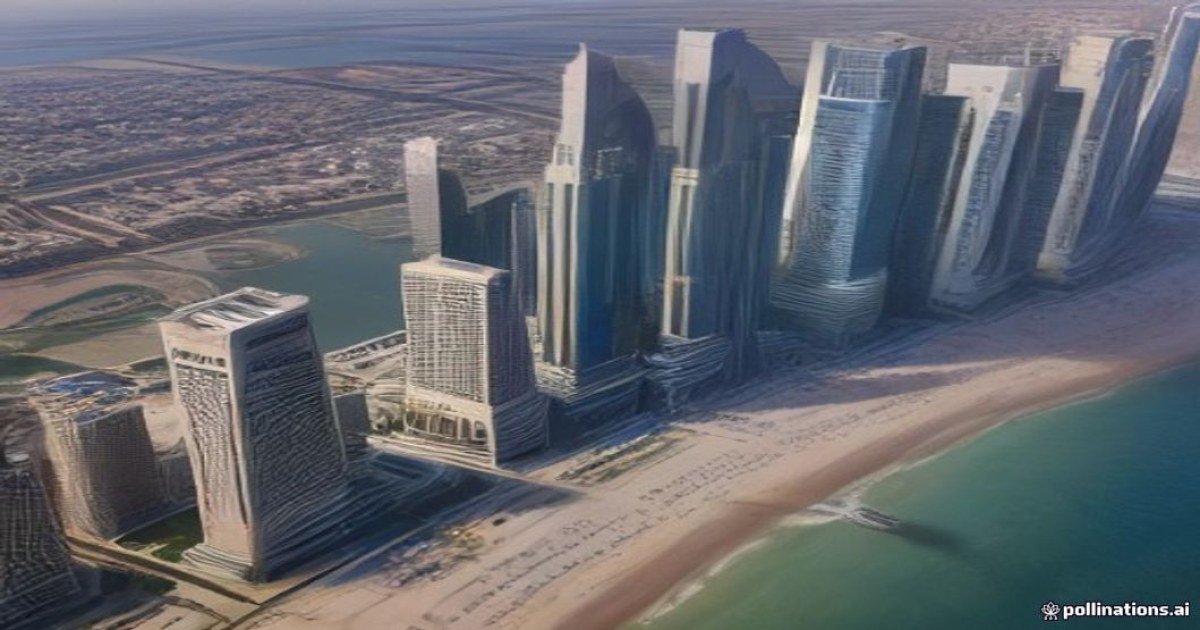
Establishing a business in the Khalifa Economic Zones Abu Dhabi (KEZAD) represents a strategic move for traders seeking to capitalize on the UAE’s position as a global logistics hub. As the largest operator of fully integrated economic zones in the region, KEZAD provides a streamlined environment for companies to manage diverse product portfolios. The General Trading License is specifically designed for operators who do not wish to be restricted to a single category of goods, allowing for the simultaneous trade of items ranging from electronics and textiles to building materials and consumer packaged goods. By 2026, the regulatory framework in KEZAD has further matured to support rapid digital onboarding and integrated customs clearance, making it a primary choice for international investors entering the Middle East market.
The Strategic Framework of KEZAD General Trading
Scope of Permitted Activities
The General Trading License in KEZAD is distinct from specific trading licenses because it permits the holder to trade in multiple, often unrelated, categories of goods. While a standard trading license might limit a business to “Electronic Appliances” or “Garments,” the general trading variant allows for the consolidation of various product lines. This is particularly beneficial for e-commerce aggregators, international sourcing firms, and distribution companies that manage a wide array of inventory. It is important to note that while the license is broad, certain goods such as pharmaceuticals, chemicals, or food items may still require additional approvals from relevant UAE ministries, such as the Ministry of Health or the Abu Dhabi Agriculture and Food Safety Authority.
Legal Structures and Ownership
Investors in KEZAD can choose between several legal forms, the most common being the Free Zone Enterprise (FZE) for single shareholders and the Free Zone Company (FZCO) for multiple shareholders. Both structures allow for 100% foreign ownership, a hallmark of the UAE’s free zone appeal. In 2026, the process for establishing these entities is largely digitized, allowing for remote document submission. The legal framework provides a robust shield for corporate liability, ensuring that the personal assets of the shareholders are protected. Furthermore, companies can also register as a branch of a foreign or local company, which is often the preferred route for established international corporations looking to create a regional distribution node without forming a new legal entity.
Integration with Khalifa Port
The primary advantage of a KEZAD General Trading License is its physical and administrative integration with Khalifa Port. As one of the world’s fastest-growing deep-water ports, Khalifa Port serves as the gateway for goods entering the Abu Dhabi market. For general traders, this means significantly reduced lead times and lower drayage costs. The zone is designed with “port-to-door” logistics in mind, where goods can move from the container terminal into the free zone’s bonded areas with minimal friction. This proximity is vital for businesses dealing in high-volume commodities where transportation costs and time-to-market are the primary drivers of profitability.
Operational Advantages for Global Traders
Logistics and Connectivity
KEZAD’s location between Abu Dhabi and Dubai places it at the heart of the UAE’s transport network. Beyond the immediate access to Khalifa Port, the zone is connected to major arterial highways including the E11 (Sheikh Zayed Road), which facilitates easy transit to the rest of the Emirates and neighboring GCC countries like Oman and Saudi Arabia. By 2026, the integration with the Etihad Rail network has further enhanced the ability of KEZAD-based traders to move bulk cargo across the peninsula. For general traders, this multi-modal connectivity—sea, road, and rail—provides a level of operational redundancy that is essential for maintaining supply chain resilience in a fluctuating global economy.
Customs and Bonded Warehousing
Operating under a KEZAD General Trading License allows businesses to utilize customs-bonded warehousing solutions. This means that duties are only payable when goods are moved out of the free zone and into the UAE mainland. For traders who use Abu Dhabi as a re-export hub, this provides a massive cash-flow advantage, as goods can be imported, stored, and re-exported to international markets without ever incurring local customs duties. The administrative processes for these movements are handled through the Advanced Trade and Logistics Platform (ATLP), which serves as a single window for all trade-related transactions in Abu Dhabi, simplifying the documentation required for complex general trading operations.
Scalability and Industrial Ecosystem
KEZAD is not merely a place for office-based trading; it is a massive industrial ecosystem covering over 550 square kilometers. This scale allows a small trading startup to grow into a large-scale distributor or even a manufacturer within the same zone. A company starting with a flexi-desk and a General Trading License can easily transition into a dedicated warehouse or a light industrial unit as their inventory grows. The presence of specialized clusters—such as those for automotive, polymers, and metals—means that general traders often find their primary suppliers or largest customers located just a few blocks away, fostering a B2B environment that reduces procurement costs and encourages local partnerships.
Facilities and Infrastructure Options
Flexi-Desk and Shared Office Solutions
For many international entrepreneurs, the entry point into KEZAD is the flexi-desk option. This provides a cost-effective way to obtain a legal trade license and residency without the overhead of a permanent physical office. In 2026, the flexi-desk remains a popular choice for traders who primarily manage their operations digitally or who spend a significant amount of time traveling. The flexi-desk package in KEZAD is specifically designed to meet the minimum regulatory requirements for a trade license while providing access to shared meeting rooms, high-speed internet, and postal services. This setup is the foundation of the AED 26,000 estimated total cost for a single-visa company.
Dedicated Warehousing and Cold Storage
As trading operations expand, the need for physical storage becomes paramount. KEZAD offers a variety of pre-built warehouses that are ready for immediate occupation. These units are designed to international standards, featuring high floor-loading capacities, fire suppression systems, and loading docks suitable for large heavy-goods vehicles (HGVs). For general traders dealing in perishables or climate-sensitive electronics, KEZAD also provides specialized cold storage and temperature-controlled units. The flexibility to lease space on a long-term or short-term basis allows traders to manage their overheads in alignment with seasonal demand cycles.
Land for Custom Development
For large-scale general trading firms that require bespoke logistics centers, KEZAD offers plots of land for long-term lease. This allows companies to build custom-designed distribution hubs that incorporate automated storage and retrieval systems (ASRS) or specialized processing zones. The infrastructure provided by KEZAD includes ready-to-connect utilities such as power, water, and telecommunications, significantly reducing the lead time for construction projects. This level of infrastructure support is a key reason why major global brands choose KEZAD as their regional headquarters for trading and distribution.
Financial and Administrative Setup
Breakdown of Initial Investment
The financial commitment required to secure a KEZAD General Trading License is structured to be competitive with other major free zones in the UAE. The primary costs are divided between the administrative registration, the annual license fee, the physical facility (such as a flexi-desk), and the costs associated with residency visas. For a standard setup in 2026, the registration fee is set at AED 2,500. This is a one-time payment made during the initial company formation. The annual trade license fee for the General Trading category is AED 12,000, reflecting the broad scope of activities permitted under this license type. When combined with the mandatory office requirement and visa costs, the total initial investment provides a clear pathway for budgeting.
Visa and Residency Procedures
A General Trading License allows the company to sponsor employees and investors for UAE residency. The cost for a residence visa is AED 3,500, which typically covers the entry permit, status adjustment, medical fitness test, and the issuance of the Emirates ID. In KEZAD, the visa process is managed through the zone’s dedicated government services portal, which streamlines interactions with the Federal Authority for Identity, Citizenship, Customs & Port Security (ICP). For business owners, having a residency visa is not only essential for living in the UAE but is also a prerequisite for opening a corporate bank account and entering into long-term lease agreements.
Annual Maintenance and Renewals
Beyond the initial setup, businesses must account for annual renewal costs to remain in good standing. The trade license and the flexi-desk lease must be renewed every twelve months. It is crucial for traders to maintain accurate financial records, as KEZAD-based companies are required to submit an annual audit report. This ensures transparency and compliance with UAE federal laws. Additionally, companies must stay updated on Economic Substance Regulations (ESR) and Ultimate Beneficial Owner (UBO) filings, which are standard requirements across all UAE jurisdictions to meet international financial standards.
Compliance and the 2026 Regulatory Environment
Corporate Tax Obligations
The UAE’s fiscal landscape has evolved with the introduction of a federal corporate tax. For companies operating within KEZAD, the tax regime is designed to remain attractive while complying with global standards. A KEZAD entity may qualify as a Qualifying Free Zone Person (QFZP), which allows it to benefit from a 0% corporate tax rate on “qualifying income.” However, for income that does not meet these specific criteria, a standard rate of 9% applies to taxable income exceeding AED 375,000. General traders must work closely with tax advisors to ensure their income streams—especially those derived from mainland UAE trade—are correctly categorized to optimize their tax position.
Anti-Money Laundering (AML) Standards
As a global trade hub, the UAE maintains strict AML and Counter-Terrorism Financing (CTF) regulations. General trading companies, due to the high volume of cross-border transactions and the diversity of goods handled, are often subject to enhanced due diligence. In 2026, KEZAD entities must register on the GoAML portal and appoint a compliance officer. This involves maintaining detailed records of all suppliers and customers and reporting any suspicious transactions. Failure to comply with these regulations can lead to significant fines and the potential suspension of the trade license, making compliance a core pillar of daily operations.
Value Added Tax (VAT) in the Free Zone
While KEZAD is a free zone, it is not entirely exempt from the UAE’s VAT framework. The zone contains “Designated Zones” for VAT purposes, which are considered outside the UAE for the purposes of the tax on certain types of goods. However, services provided within the zone and goods sold into the UAE mainland are subject to the standard 5% VAT rate. General traders must register for VAT with the Federal Tax Authority (FTA) if their taxable supplies and imports exceed the mandatory registration threshold of AED 375,000. Proper VAT accounting is essential, particularly for traders who are moving goods between the free zone, the mainland, and international markets.
| Fee Category | Amount (AED) |
|---|---|
| Registration Fee (One-time) | 2,500 |
| Trade Licence (Annual) | 12,000 |
| Flexi-desk (Annual) | 8,000 |
| Residence Visa (Per person) | 3,500 |
| Estimated Total (1 Visa + Desk) | 26,000 |
Step-by-Step Setup Process
Step 1: Activity Selection and Name Reservation
The first step involves defining the specific scope of your general trading activities and selecting a unique trade name for the company. The name must comply with UAE naming conventions, avoiding any offensive language or references to protected entities. Once selected, the name is submitted to KEZAD authorities for reservation.
Step 2: Initial Approval and Documentation
Investors must submit a completed application form along with passport copies of the shareholders and directors. At this stage, KEZAD conducts a preliminary background check. Once initial approval is granted, the legal documents, including the Memorandum of Association (MOA), are drafted for signature.
Step 3: Payment and License Issuance
Following the signing of documents, the applicant must pay the registration and license fees. For a general trading setup, this includes the AED 2,500 registration fee and the AED 12,000 license fee. Upon confirmation of payment and the lease of a flexi-desk (AED 8,000), KEZAD issues the Trade License and the Corporate Registry certificate.
Step 4: Visa Processing and Bank Account Opening
With the license in hand, the company can apply for its Establishment Card, which allows it to sponsor visas. The residence visa process (AED 3,500) involves an entry permit, a medical check in Abu Dhabi, and biometrics for the Emirates ID. Simultaneously, the company can begin the process of opening a corporate bank account using the newly issued legal documents.
UAE Corporate Tax Section
As of 2026, all companies registered in KEZAD are subject to the UAE Federal Corporate Tax law. Businesses can benefit from a 0% tax rate on qualifying income if they maintain their status as a Qualifying Free Zone Person (QFZP). This typically requires the company to maintain adequate substance in the UAE and ensure that its income is derived from transactions with other free zone entities or international markets. For any taxable income that does not qualify for this exemption, a standard corporate tax rate of 9% is applied to taxable profits exceeding AED 375,000. It is mandatory for all KEZAD companies to register for corporate tax and file an annual tax return, regardless of whether they owe tax or qualify for the 0% rate.
Frequently Asked Questions
Can I trade any type of product with a KEZAD General Trading License?
A General Trading License allows for the trade of a wide variety of goods under one license. However, certain items like pharmaceuticals, hazardous chemicals, weapons, and certain food products require additional permits and approvals from specific UAE government ministries before trading can commence.
Is a physical office required for a General Trading License in KEZAD?
Yes, all companies in KEZAD must have a registered office address. For many startups and SMEs, a flexi-desk (shared office space) meets the legal requirement at a lower cost (AED 8,000 annually) compared to a permanent private office or warehouse.
How long does it take to get the license?
The timeline for obtaining a KEZAD General Trading License typically ranges from 7 to 14 business days, provided all documentation is complete and the initial approval is granted without delays. The visa process usually takes an additional 10 to 15 days after the license is issued.
Can I sell goods directly to the UAE mainland with this license?
Free zone companies can sell to the UAE mainland, but they must do so through a local distributor or a licensed UAE agent. Alternatively, the company can establish a mainland branch. Goods sold into the mainland will be subject to the 5% UAE Customs Duty and 5% VAT.
What are the ongoing costs for a KEZAD company?
The primary ongoing costs include the annual renewal of the Trade License (AED 12,000), the annual lease for the flexi-desk or office (AED 8,000), and the renewal of residence visas every two years. Companies must also budget for annual audit fees and VAT/Corporate Tax compliance costs.