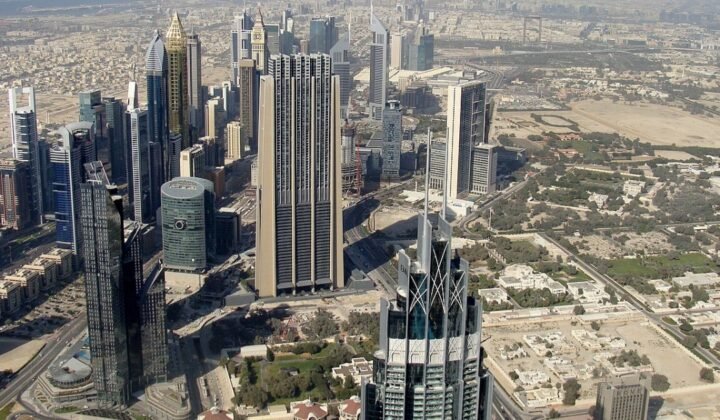
How to Choose the Right UAE Free Zone for Your Industry
By UAE Freezone Finder Team | Updated November 2026
What are the key factors to consider when selecting a UAE free zone for my industry?
Location and market access
The geographic position of a free zone determines how easily you can reach customers, suppliers and transport hubs. For example, logistics‑focused firms often prefer zones adjacent to Jebel Ali Port or Al Maktoum International Airport, while tech start‑ups may value proximity to Dubai Internet City’s ecosystem.
Sector‑specific incentives and regulatory environment
Each free zone tailors its licence categories, data‑protection rules and import‑export procedures to attract particular industries. Understanding these nuances helps you avoid unnecessary compliance steps.
Visa quota and talent attraction
Free zones differ in the number of employee visas they allow per licence and in the speed of processing. Companies that rely on a multinational workforce should prioritise zones with generous visa allocations and fast‑track immigration services.
Infrastructure and on‑site facilities
From state‑of‑the‑art data centres to warehousing and exhibition spaces, the physical assets offered by a free zone can dramatically affect operational efficiency. Choose a zone that provides the specialised facilities your sector demands.
Cost drivers and financial flexibility
While we cannot quote exact fees, the overall cost is shaped by licence type (commercial, professional, industrial), the size and nature of the office (flexi‑desk, serviced office, warehouse), the number of visas required and the renewal cycle. Request a current quote to understand the total package.
Which UAE free zones are best suited for technology and innovation companies?
Dubai Internet City (DIC)
DIC is the flagship hub for IT, software development, fintech and digital media. It offers a vibrant community, access to venture capital, and specialised data‑centre facilities.
Dubai Silicon Oasis (DSO)
DSO combines a technology park with residential and commercial zones, providing R&D labs, incubators and a strong focus on smart‑city solutions.
Abu Dhabi Global Market (ADGM) – FinTech
ADGM’s FinTech regulatory sandbox makes it ideal for blockchain, cryptocurrency and regulatory‑tech firms seeking a supportive legal framework.
Comparison of top tech‑focused free zones
| Free Zone | Core Strength | Typical Visa Quota per Licence | Key Facilities |
|---|---|---|---|
| Dubai Internet City | IT, software, digital media | Up to 30 | Co‑working spaces, data centres, venture‑capital network |
| Dubai Silicon Oasis | R&D, smart‑city, IoT | Up to 25 | Incubators, labs, residential community |
| ADGM (FinTech) | FinTech, RegTech, blockchain | Up to 20 | Regulatory sandbox, legal‑tech support |
What free zones excel in media, broadcasting and creative industries?
Dubai Media City (DMC)
DMC hosts a concentration of news agencies, advertising firms and production houses. It provides studio space, satellite uplink facilities and a liberal content‑regulation regime.
Abu Dhabi Media Zone (ADMM)
ADMM offers state‑of‑the‑art broadcasting studios, post‑production suites and close ties to government media entities, making it attractive for regional broadcasters.
Sharjah Media City (SHAMS)
SHAMS is a cost‑effective alternative with fast licence issuance and flexible office options, suitable for start‑ups and freelancers in the creative sector.
Which free zones are optimal for logistics, trade and supply‑chain businesses?
Jebel Ali Free Zone (JAFZA)
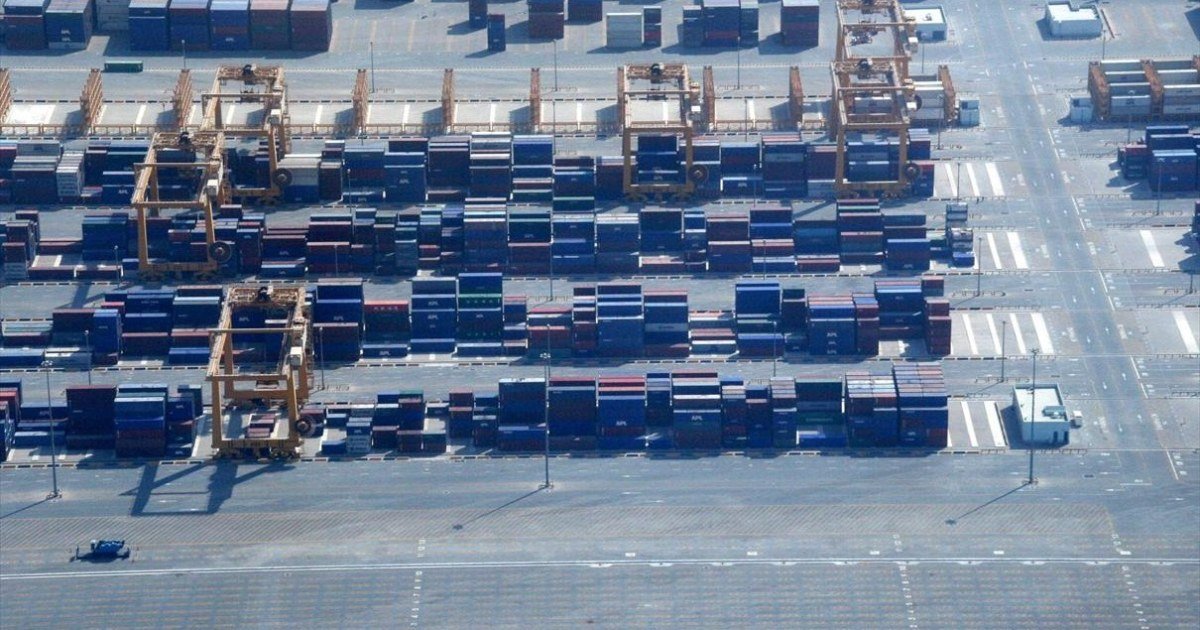
JAFZA sits beside the world’s busiest container port, offering extensive warehousing, customs‑clearance shortcuts and a large network of freight forwarders.
Khalifa Industrial Zone Abu Dhabi (KIZAD)
KIZAD provides direct access to Khalifa Port, industrial land parcels and a streamlined customs regime, ideal for heavy‑industry and bulk‑goods traders.
Dubai South (formerly Dubai World Central)
Dubai South is built around Al Maktoum International Airport, making it perfect for air‑cargo operators and e‑commerce fulfilment centres.
Logistics free zone comparison
| Free Zone | Primary Transport Hub | Typical Warehouse Size Options | Visa Quota per Licence |
|---|---|---|---|
| JAFZA | Jebel Ali Port | From 500 sqm to 100,000 sqm | Up to 40 |
| KIZAD | Khalifa Port | From 1,000 sqm to 150,000 sqm | Up to 35 |
| Dubai South | Al Maktoum International Airport | From 300 sqm to 80,000 sqm | Up to 30 |
How do financial services firms decide between Dubai International Financial Centre (DIFC) and other free zones?
Regulatory framework and legal system
DIFC operates under a common‑law system based on English law, with an independent regulator (DFSA). This structure is attractive for banks, asset managers and insurance companies that require robust legal certainty.
Access to capital markets
DIFC hosts a fully‑functional stock exchange and a vibrant community of private equity and venture‑capital firms, facilitating fundraising and secondary‑market activities.
Alternative: Abu Dhabi Global Market (ADGM)
ADGM mirrors many of DIFC’s advantages while offering a more nascent ecosystem, which can translate into faster licence approval for niche financial services.
What considerations are unique to health‑care and pharmaceutical free zones?
Regulatory approvals and GMP compliance
Zones such as Dubai Healthcare City (DHCC) provide on‑site regulatory bodies that streamline drug registration, clinical‑trial approvals and Good Manufacturing Practice (GMP) inspections.
Specialised infrastructure
DHCC offers hospital‑grade facilities, research labs and tele‑medicine platforms, reducing the need for external partnerships.
Talent and visa policies
Health‑care zones often allow a higher proportion of specialist visas (doctors, pharmacists, researchers) per licence, which is critical for staffing hospitals or R&D labs.
How long does it typically take to set up a company in a UAE free zone?
Standard licence processing time
Most free zones issue a commercial licence within 10‑15 business days once all documents are verified. Some zones, such as SHAMS or DSO, offer an accelerated “express” track that can reduce the timeline to 5‑7 days.
Visa issuance timeline
After the licence is granted, employee visas are usually processed in 7‑10 business days, provided the sponsor’s documents are complete.
Overall project timeline
From initial enquiry to fully operational status, a typical end‑to‑end timeline ranges from three to six weeks, depending on the complexity of the licence type and the speed of document preparation.
What are the tax implications of operating in a UAE free zone?
Corporate tax exemption threshold
UAE free zones benefit from a 0 % corporate‑tax rate on qualifying income up to the statutory AED 375,000 threshold. Income above that threshold may be subject to the standard corporate‑tax rate, subject to the free zone’s specific rules.
VAT considerations
Free‑zone companies that conduct business with mainland UAE entities may need to register for VAT and charge 5 % on taxable supplies, unless the transaction qualifies for a zero‑rate export provision.
Double‑taxation treaties
Most free zones inherit the UAE’s extensive network of double‑taxation agreements, which can minimise withholding taxes on cross‑border payments.
How can I compare free zones side‑by‑side before making a decision?
Key comparison criteria
Use a matrix that evaluates location, sector focus, visa quota, licence flexibility, infrastructure, and average processing time. This systematic approach reduces the risk of overlooking a critical factor.
Sample comparison matrix
| Criterion | Tech‑focused Zone (e.g., DIC) | Logistics‑focused Zone (e.g., JAFZA) | Media‑focused Zone (e.g., DMC) |
|---|---|---|---|
| Primary Industry Support | IT, SaaS, fintech | Warehousing, freight forwarding | Broadcast, advertising |
| Typical Visa Quota | Up to 30 | Up to 40 | Up to 25 |
| Average Licence Issuance Time | 12 days | 10 days | 14 days |
| Key On‑site Facilities | Data centres, incubators | Customs‑clearance, large warehouses | Studios, satellite uplink |
| Regulatory Flexibility | High (sandbox options) | Medium (standard trade rules) | Medium‑high (media‑specific licences) |
Where can I find more detailed information about each free zone?
Internal resources
Our guide on UAE free zone directory provides in‑depth profiles, contact details and recent case studies for every zone.
For sector‑specific insights, see the industry insights hub, which regularly publishes updates on regulatory changes and market trends.
Frequently Asked Questions
Can I operate a mainland business from a free‑zone licence?
No. A free‑zone licence permits activities only within the free zone or for export. To trade directly with the UAE mainland you will need a local distributor or a separate mainland licence.
Do I need a physical office to obtain a free‑zone licence?
Most zones require a minimum office commitment, which can be a flexi‑desk, virtual office or a full‑service office. The exact requirement varies by zone and licence type.
How many shareholders can a free‑zone company have?
UAE free‑zone companies can be owned by a single individual or multiple shareholders, with no restriction on nationality. Shareholder structures can be 100 % foreign‑owned.
Is it possible to relocate my free‑zone company to another zone?
Yes, but the process involves surrendering the existing licence, clearing any outstanding obligations and re‑applying in the new zone. Professional advice is recommended to minimise tax and regulatory impact.
What happens after the corporate‑tax threshold is exceeded?
Income above the AED 375,000 threshold becomes subject to the UAE’s standard corporate‑tax rate, which varies by free zone. The exact rate and filing obligations should be confirmed with the zone’s authority or a tax adviser.
Ready to set up your UAE freezone? Get a free consultation →