How to Choose the Right Free Zone for Your E‑Commerce Business in the UAE
By UAE Freezone Finder Team | Updated November 2026
What does an e‑commerce business actually need from a free zone?
Most founders start by comparing licence prices. That is the wrong first question. An online store is really a bundle of activities: you hold stock or arrange for someone else to hold it, you take payments, you ship parcels, you handle returns and you market to customers who may live in another country entirely. A free zone suits you when its licence, its premises and its surrounding infrastructure support that whole chain, not just the registration step.
Start with the activity on the licence
Every free zone publishes a list of licensable activities, and the wording matters. A trading licence, a general trading licence and a dedicated e‑commerce licence are not interchangeable. Some zones issue an e‑commerce activity that allows online selling of a defined range of goods; others expect you to hold a trading licence and operate your website under it. Before you pay anything, ask the zone to confirm in writing that your product categories and your sales model are covered.
Decide whether you hold stock
If you dropship or sell digital products, you may need very little physical space and a flexible desk or virtual arrangement can be enough. If you hold inventory, you need warehouse access, and that pushes the decision toward zones with serious logistics estates. Sellers who use a third‑party fulfilment provider sometimes keep a lean licence and let the provider handle storage, which changes the shortlist again.
Know who your customers are
Where your buyers sit shapes everything else. Selling mainly to customers outside the UAE is the most natural fit for a free zone company. Selling heavily to UAE residents raises questions about mainland access, customs treatment and tax, which we cover below. Be honest about this split at the start, because it is the single biggest driver of cost and structure.
Which free zones are commonly shortlisted for e‑commerce?
No single zone is best for every seller. The zones below are frequently considered, and the table summarises how they tend to differ in character. It is a starting point for your own questions, not a ranking, and every detail should be confirmed with the zone or through a current quote, because activity lists, premises options and policies change.
| Free zone | Typical strength for online sellers | Points to confirm |
|---|---|---|
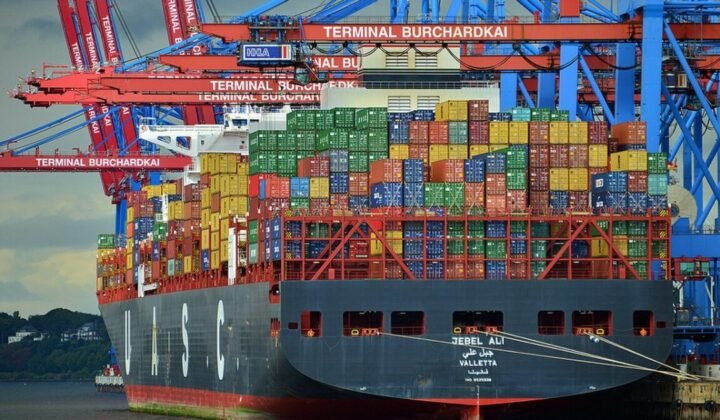
| JAFZA (Jebel Ali Free Zone) | Large logistics and warehousing estate next to a major port, suited to sellers with physical stock and import or export volume. | Premises options for small operators, activity coverage for online retail, and total running costs. |
| DAFZA (Dubai Airport Freezone) | Proximity to the airport, helpful for air freight, high‑value or time‑sensitive goods. | Whether your product categories and sales model fit the licence, and available space. |
| DMCC | Established trading community and strong reputation, often chosen by traders and merchants who want a recognised address. | Whether a physical product business needs separate warehousing elsewhere, and the e‑commerce activity wording. |
| IFZA | Flexible licensing with a straightforward set‑up experience, often considered by solo founders and small teams. | Warehouse access, visa allocation tied to the package, and any limits on mainland selling. |
| RAKEZ (Ras Al Khaimah) | Range of industrial, warehouse and flexible space outside Dubai, which can suit sellers who need room to scale stock. | Distance from your carriers and customers, and how deliveries are handled in practice. |
| KEZAD (Abu Dhabi) | Industrial and logistics orientation linked to Abu Dhabi ports and trade routes. | Suitability for a small online operation and the size of units on offer. |
Match the zone to your business model
A seller with a few product lines and outsourced fulfilment can often get by with a light licence and an address. A brand that imports containers of stock and ships hundreds of parcels a day will care far more about warehousing, customs handling and access to carriers. Sort yourself into one of these camps before comparing zones, and the shortlist usually shrinks quickly.
Do not choose on the address alone
A prestigious address can help with banks and supplier trust, but it does not move a parcel. If your day‑to‑day work depends on a warehouse, check how far it is from your zone office, how goods are transferred between them, and who handles customs paperwork on the way. These practical details cause more headaches after set‑up than the licence itself.
How does logistics support differ between zones?
Logistics is where free zones separate most clearly. Port and airport zones tend to offer integrated customs handling, bonded storage and close relationships with freight forwarders. Zones further from major transport hubs may offer cheaper space but add a leg to every shipment. For an online business, that extra leg shows up as slower delivery promises or higher carrier charges, both of which customers notice.
Check customs and bonded storage arrangements
Goods inside a free zone are generally treated differently for customs purposes than goods released into the UAE mainland. Ask the zone how imports are cleared, whether bonded storage is available, and how re‑exports to other countries are documented. A seller who ships mostly abroad benefits from smooth re‑export procedures; one who sells locally needs to understand the point at which duty and import procedures apply.
Look at last‑mile and returns handling
Customer returns are a real cost centre in online retail. Find out whether returned goods can be received back into your zone warehouse without complicated paperwork, and whether your preferred couriers collect from the zone as a matter of routine. Ask other sellers in the zone, not only the sales team, how this works day to day.
Consider third‑party fulfilment as an alternative
Many online sellers do not run their own warehouse at all. They hold a licence in a convenient zone and use a fulfilment provider that stores, packs and ships on their behalf. If that is your plan, the quality and location of the provider can matter more than the zone itself, and you should confirm that your licence allows you to contract and operate in this way.
How do tax and customs rules affect an e‑commerce free zone company?
The UAE corporate tax regime treats free zone companies differently from mainland ones, but the benefit is conditional and easy to misunderstand. This section is general information, not tax advice, and you should confirm your own position with a qualified UAE tax adviser.
Corporate tax: a 0% rate applies only to qualifying income
A free zone company that meets the conditions of a qualifying free zone person can benefit from a 0% corporate tax rate on its qualifying income, while other income is generally taxed at 9% on taxable income above AED 375,000. What counts as qualifying income depends on the nature of the activity and who the customers are. Trading with other free zone companies, or exporting goods, is treated differently from selling to customers on the mainland, so an online seller with a large UAE consumer base should take advice before assuming the 0% rate applies to everything.
Substance and compliance still apply
Qualifying status generally expects real economic substance in the zone, proper accounting records and compliance with filing obligations. A licence held only on paper is a weak foundation. Plan for bookkeeping, corporate tax registration and annual filings from the first year, and budget time for them as well as money.
VAT and customs are separate questions
Value added tax, currently charged at the standard 5% rate in the UAE, follows its own rules and does not simply disappear because your company sits in a free zone. Some zones are treated as designated zones for VAT on certain goods movements, which can change the treatment of stock held there. Customs duty on goods entering the mainland is another separate matter. Treat all three as distinct questions and ask each zone how they handle them.
Can a free zone e‑commerce company sell to customers in the UAE mainland?
This is the question that catches most new sellers out. Free zone licences were originally designed for business conducted within the zone or with customers abroad. Selling directly to UAE consumers has historically required an additional arrangement, such as a distributor, a mainland licence or a dual licence where the relevant authority offers one. The rules have been evolving, so avoid relying on blog posts, including this one, for the current position.
Understand the common routes to mainland sales
Sellers typically use one of three approaches: appoint a licensed mainland distributor, open a separate mainland company, or use a dual licence or permit where the free zone and the emirate’s economic authority allow it. Each has different cost, control and tax implications. Ask the zone which options it supports for your activity and what the process involves.
Think about marketplaces and payment platforms
Selling through large online marketplaces or using local payment gateways may carry their own licensing and documentation requirements. Some platforms ask for a mainland trade licence for local sales, while others accept certain free zone licences. Check the specific platform’s current seller requirements before you finalise your structure, since they can change independently of the free zone.
What does it cost, and what drives the price?
Because costs change and depend heavily on your choices, we do not quote figures here. What matters is understanding what moves the price so you can compare like with like when you ask for quotes.
Licence type and activities drive the base cost
A single‑activity licence is usually cheaper than one that covers several activities, and a trading or e‑commerce licence may be priced differently from a service licence. Adding activities later can be straightforward in some zones and awkward in others, so tell the zone about your likely product range up front.
Premises and visa allocation add layers
Office, flexi‑desk and warehouse options differ widely in price, and the premises you choose often determine how many residence visas you can apply for. A larger team or a physical stock operation will move you into higher‑cost options, while a lean online brand can often start with something much lighter.
Renewals and compliance recur every year
Many founders compare only the first‑year price. Licence renewal, premises rent, visa renewals, accounting, audit where required, and tax filings all recur. Ask every zone for a clear breakdown of what is included in year one and what you will pay at renewal, and request a current written quote. You can request a free quote and compare several zones side by side.
How should you set up your e‑commerce company step by step?
The sequence below applies broadly across zones, though each has its own forms and timings. Treat it as a planning outline and confirm the specifics with your chosen zone.
Step one: define your model and shortlist zones
Write down what you sell, where you sell it, whether you hold stock and who fulfils orders. Use that to shortlist two or three zones. Our free zone comparison tools can help you narrow the list before you contact anyone.
Step two: confirm activity, premises and structure in writing
Ask each shortlisted zone to confirm in writing that your activities are covered, what premises are required, how many visas are included and what mainland‑sales options exist. Written answers protect you from misunderstandings later.
Step three: prepare documents and apply
Typical applications involve passport copies for shareholders and managers, a business plan or activity description, proof of address and sometimes attested documents for corporate shareholders. Requirements differ between zones and nationalities, so ask for the current checklist rather than assuming.
Step four: open the bank account and register for tax
Once the licence is issued you will open a corporate bank account, which can take time because banks run their own compliance checks. You will also need to register for corporate tax and, where thresholds or activity require it, for VAT. Start these early, as they often run alongside the licensing process.
Step five: arrange logistics and launch
Line up your warehouse or fulfilment partner, carriers, payment gateway and returns process before you take your first order. A beautiful store that cannot deliver reliably will lose customers faster than one with a plain design and dependable shipping.
What mistakes do e‑commerce founders commonly make?
The same problems appear again and again, and most are avoidable with a little preparation.
Choosing on price alone
The cheapest package is rarely the cheapest outcome. If the licence does not cover your products, or your warehouse sits far from your carriers, savings on the registration fee disappear quickly.
Ignoring the mainland question
Founders who plan to sell mainly to UAE residents sometimes discover late that their free zone licence does not allow it as they imagined. Settle this before you pay, and keep the answer in writing.
Underestimating compliance
Corporate tax, bookkeeping, VAT and annual renewals are part of running the business, not optional extras. Build them into your plan and your timeline from the start.
So which free zone should you choose?
If you hold significant stock and ship in volume, start with zones that have strong port or airport logistics. If you run a lean online brand with outsourced fulfilment, consider flexible zones with straightforward licensing and good banking support. If you plan to sell mainly to the UAE mainland, make that your first question to every zone. In all cases, compare written quotes that show year‑one and renewal costs, confirm your activity and mainland options in writing, and take tax advice on your own position. If you would like help comparing options, get in touch for a tailored comparison.
Frequently Asked Questions
Do I need a free zone licence to run an online store in the UAE?
Not necessarily. You can operate an online business under a free zone or a mainland licence, and the right choice depends on where your customers are, whether you hold stock and how you plan to sell. Free zones suit businesses that sell mainly abroad or to other free zone companies, while selling directly to UAE consumers may call for a mainland arrangement.
Is there a dedicated e‑commerce licence in UAE free zones?
Some free zones offer a specific e‑commerce activity, while others expect online sellers to hold a trading licence. The wording and scope differ between zones, so ask for written confirmation that your products and sales model are covered before you apply.
Can a free zone company sell to customers on the UAE mainland?
Often only through an additional arrangement, such as a mainland distributor, a separate mainland licence or a dual licence where available. The rules have been changing, so confirm the current position with the zone and the relevant economic authority before you rely on it.
Does a free zone e‑commerce company pay corporate tax?
A qualifying free zone person can benefit from a 0% rate on qualifying income, while other income is generally taxed at 9% above AED 375,000 of taxable income. Whether your online sales count as qualifying income depends on the activity and the customers, so take advice from a qualified UAE tax adviser.
How do I compare the cost of different free zones fairly?
Ask each zone for a written quote that covers the same licence activities, the same premises type and the same number of visas, and that separates year‑one costs from renewal costs. Comparing identical packages is the only reliable way to see which zone is genuinely better value for you.
Ready to set up your UAE freezone? Get a free consultation →