Dubai Media City vs DMCC: Which is Cheaper in 2026?
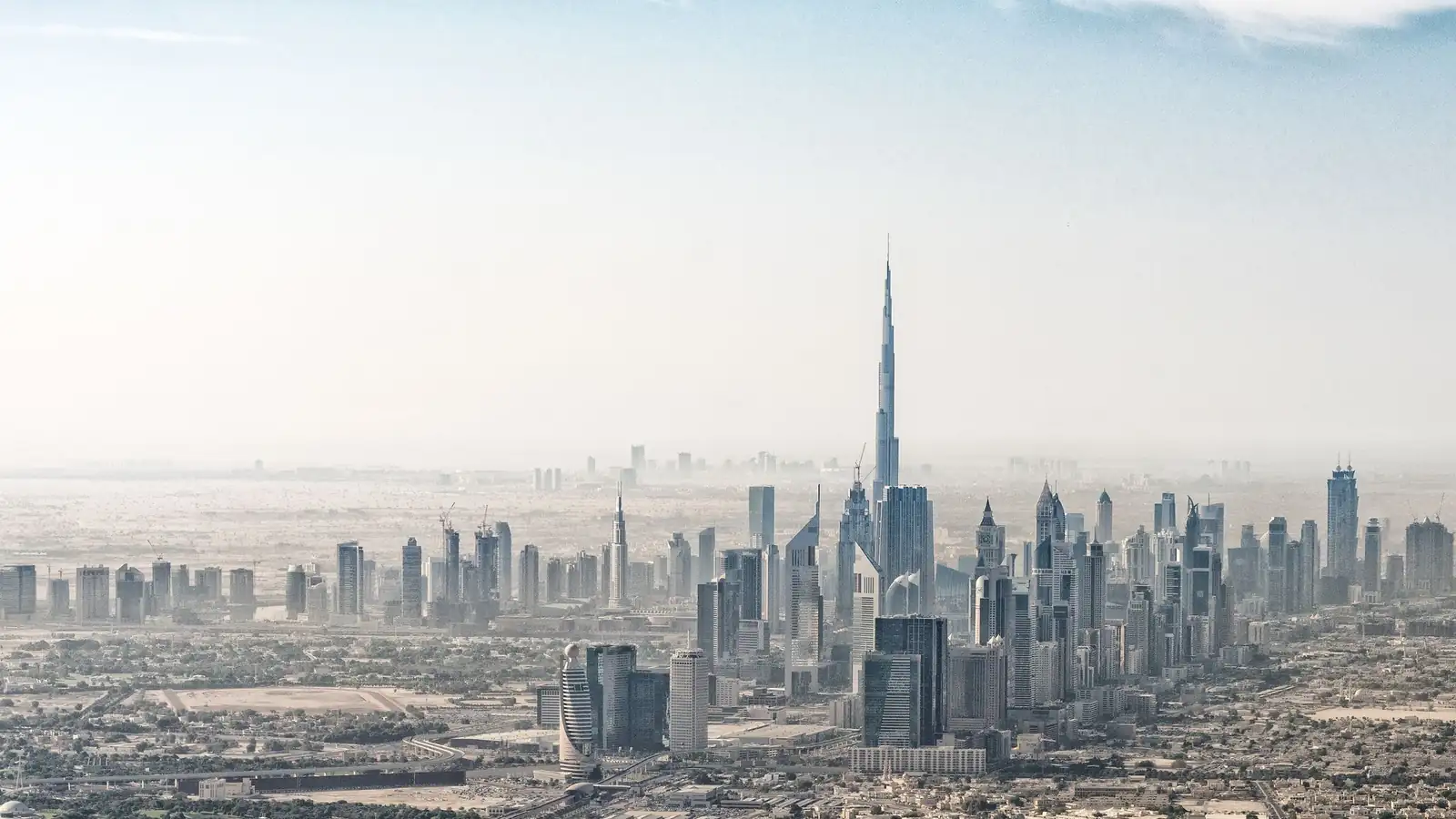
Choosing between Dubai Media City (DMC) and the Dubai Multi Commodities Centre (DMCC) is a pivotal decision for entrepreneurs entering the UAE market in 2026. Both jurisdictions offer distinct advantages, but their cost structures and operational environments cater to different business models. Dubai Media City, managed by TECOM Group, is the region’s dedicated hub for media and marketing, whereas DMCC, located in Jumeirah Lakes Towers (JLT), is a massive multi-sector free zone known for its global trade dominance. This guide breaks down the financial and logistical differences to help you determine which zone provides the best value for your specific investment.
Strategic Positioning and Industry Focus
Dubai Media City: The Creative Epicenter
Dubai Media City was established to foster a concentrated environment for media-related industries. In 2026, it continues to house some of the world’s largest news agencies, advertising firms, and digital content creators. If your business relies on proximity to industry giants like CNN, Reuters, or major regional broadcasters, the higher cost of entry in DMC is often viewed as a strategic marketing expense. The networking opportunities within the TECOM ecosystem are specifically tailored to media professionals, providing a community that generalist free zones cannot replicate.
Licensing in DMC is restricted to media-related activities. This includes advertising, communication, media support services, and event management. For a business owner, this means your neighbors are your potential collaborators or clients. The prestige associated with a DMC address can influence your brand perception, especially when dealing with international media contracts. However, this specialization means that if your business expands into unrelated sectors, such as physical commodity trading or heavy manufacturing, you may find the regulatory framework of DMC too restrictive.
DMCC: The Global Trade Hub
DMCC is frequently ranked as one of the world’s leading free zones due to its sheer scale and diversity. Unlike the niche focus of DMC, DMCC accommodates a vast array of business activities, from gold and diamond trading to software development and consultancy. In 2026, DMCC remains the preferred choice for companies that require a broad license or those that anticipate pivoting their business model over time. The zone is located in the heart of JLT, offering a mix of residential and commercial skyscrapers that provide a different vibe than the campus-style layout of Media City.
For entrepreneurs, DMCC offers a more “all-in-one” solution. Because it is not limited to a single industry, the internal marketplace is much larger. You can find service providers, logistics partners, and tech consultants all within the same square kilometer. This density often leads to more competitive pricing for third-party services, which can lower your overall operational overhead compared to the more exclusive environment of Dubai Media City.
Choosing Based on Business Activity
In 2026, the choice between these two zones should be driven primarily by your primary activity code. If your revenue is generated through media production, digital marketing, or journalism, Dubai Media City provides the regulatory infrastructure specifically designed for those risks and requirements. For example, certain media permits are easier to navigate through TECOM’s dedicated government services.
Conversely, if your business is involved in any form of physical trade, financial services, or general consultancy, DMCC is the logical choice. DMCC’s infrastructure is built to handle the complexities of global supply chains and commodity exchanges. Attempting to fit a general trading business into a media-focused zone is often more expensive and administratively difficult than simply choosing the zone that was built for your industry.
Comparing Setup Costs and Licensing Fees
Initial Registration and Licensing
When analyzing the 2026 cost landscape, the initial registration fee is a primary consideration. For most new entities, the Registration Fee is set at AED 2,500. This is a one-time payment made at the start of the company formation process. Following registration, the Trade Licence (Annual) fee is approximately AED 15,000. These figures are relatively consistent across the major Dubai free zones, but the specific activity you choose can add surcharges.
In Dubai Media City, certain specialized media licenses may require additional approvals from the National Media Council or other regulatory bodies, which can lead to higher administrative costs. DMCC, while having a streamlined digital portal, often requires a more detailed share capital proof depending on the license type, though many service-based licenses now allow for flexible capital requirements. When comparing the two, DMCC often has more frequent promotional packages for new startups, which can sometimes reduce the initial licensing burden.
Annual Renewal Expectations
Business owners must look beyond the first year. The annual renewal of the trade license (AED 15,000) is a recurring cost that must be factored into your long-term cash flow. In addition to the license, you must renew your lease and your Establishment Card. The Establishment Card (Annual) is priced at AED 1,100. This card is essential as it allows the company to register with the Ministry of Human Resources and Emiratisation to hire employees and issue visas.
In 2026, both zones have moved toward fully digital renewal processes. However, DMC’s renewals are tied into the broader TECOM Group platform, which some users find more integrated if they hold multiple licenses across different TECOM zones (like Internet City or Studio City). DMCC renewals are handled through their “Member Portal,” which is highly efficient but strictly enforced with penalties for late filings.
Hidden Costs in Free Zone Setup
While the headline figures are easy to track, hidden costs often arise during the document legalisation and translation phase. If your parent company is based outside the UAE, you will incur significant costs for attesting documents at the UAE Embassy in the home country and the Ministry of Foreign Affairs in Dubai. These are not free zone fees, but they are necessary for the setup.
Furthermore, both zones require a registered office address. While a Flexi-desk (Annual) at AED 10,000 is the most affordable way to satisfy this requirement, it is important to check if your specific license activity allows for a virtual or flexible desk. Some trading activities in DMCC or high-level media production in DMC may mandate a physical office or a specific amount of square footage, which significantly increases the annual rent and utility costs.
Infrastructure and Office Solutions
Flexi-Desk vs. Physical Office Space
For many startups in 2026, the Flexi-desk is the gateway to the Dubai market. At a cost of AED 10,000 per year, it provides a legal address and access to shared workspace facilities. In DMCC, flexi-desks are located within various business centers across JLT, offering a high degree of choice in terms of view, building quality, and proximity to the metro.
Dubai Media City’s flexi-desk options are often situated within the main TECOM buildings. While the price point is similar, the availability can be tighter due to the high demand for the DMC location. If your business grows and you require a physical office, DMCC generally offers a wider range of price points because the office towers are owned by various private developers. In DMC, much of the commercial real estate is managed directly by TECOM, which leads to more standardized (and often higher) pricing per square foot.
Location and Accessibility in JLT vs. Al Sufouh
Location is a major operational factor. DMCC is situated in Jumeirah Lakes Towers, a dense urban district with two metro stations, hundreds of restaurants, and thousands of residential apartments. This makes it an incredibly convenient place for employees to live and work. However, traffic in JLT can be a challenge during peak hours due to the circular road system.
Dubai Media City is located in the Al Sufouh area, adjacent to Dubai Marina and Palm Jumeirah. It has a more open, campus-like feel with lower-rise buildings and more green spaces. It is also well-connected by the Dubai Tram and Metro. For businesses that host frequent client meetings, DMC is often considered more “impressive” and easier to navigate for visitors. The choice here is between the high-energy, high-density environment of DMCC and the more professional, structured atmosphere of Media City.
Scalability for Growing Teams
As your business expands in 2026, you will need to consider how easily you can scale your office space. DMCC is excellent for scaling because of the sheer volume of available office space in JLT. You can move from a flexi-desk to a small 500 sq. ft. office, and eventually to a full floor in a Grade A tower without leaving the free zone.
In Dubai Media City, scaling can be more difficult. Because the zone is highly sought after and the building supply is more controlled, finding mid-sized office spaces can sometimes involve a waiting list. If you anticipate rapid headcount growth, you should discuss your long-term space requirements with the TECOM leasing team early in the process to ensure you aren’t forced to move to a different zone (like Dubai Studio City) just to find more desks.
Visa Regulations and Workforce Management
Visa Allocation and Quotas
In 2026, the number of visas you can apply for is directly linked to the size of your office. A standard flexi-desk usually entitles you to 1 or 2 visa quotas. If you need more staff, you must upgrade to a physical office. The cost for a Residence Visa is AED 3,500. This fee typically covers the entry permit, status change, medical fitness test, and Emirates ID processing.
Both DMC and DMCC follow the standard UAE federal guidelines for visas, but the internal portals differ. DMCC’s portal is known for its transparency, showing exactly where a visa application stands in the process. DMC uses the AXS portal, which is a centralized hub for all TECOM zones. The AXS system is highly efficient and offers “VIP” processing for an additional fee if you need to onboard executives quickly.
Processing Times and Procedures
Processing a visa in 2026 generally takes between 10 to 15 working days, assuming all documents are in order. The process begins with the application for an Entry Permit, followed by a medical test and biometrics for the Emirates ID. Once these are completed, the residency is stamped (or digitally issued) in the system.
One advantage of DMCC is the proximity of the medical fitness centers and biometrics centers within or very near JLT. In Media City, while there are facilities nearby in Knowledge Village, you may find yourself traveling slightly further for certain government services. However, both zones have optimized these paths to be as frictionless as possible for business owners.
Family Sponsorship and Employee Benefits
Once you hold a valid residence visa from either DMC or DMCC, you are eligible to sponsor your family members. In 2026, the requirements for family sponsorship remain a minimum salary threshold and suitable accommodation. The costs for family visas are similar to the employee visa (around AED 3,500), plus a refundable deposit in some cases.
From an employee perspective, being based in DMCC often means access to a wider range of retail discounts and lifestyle perks through the DMCC member card. Dubai Media City employees benefit from being in a creative hub that often hosts industry events, workshops, and networking mixers that are specifically relevant to their careers. When recruiting top talent, the prestige of the DMC location can be a significant draw for media professionals.
Long-term Operational Viability
Networking and Ecosystem Benefits
In the long run, the “cheaper” zone is the one that helps you generate more revenue. For a digital agency, the proximity to major clients in Dubai Media City can reduce the cost of business development. Being able to walk to a meeting with a major publisher or a global brand saves time and transport costs. The ecosystem in DMC is designed for synergy between content creators and distributors.
DMCC’s networking is more horizontal. You might meet a logistics expert at a coffee shop who helps you optimize your shipping routes, or a software developer who can build your MVP. The DMCC Business Centre also hosts regular seminars on global trade trends and tax compliance, which are invaluable for staying competitive in 2026. The sheer volume of companies in DMCC (over 20,000) means that almost any service you need can be found within the zone.
Banking and Financial Services Integration
Opening a corporate bank account remains one of the biggest hurdles for UAE startups. In 2026, both DMCC and DMC have established relationships with major local banks like Emirates NBD, Mashreq, and Wio. However, DMCC’s reputation as a global trade hub sometimes makes it slightly easier for trading companies to pass compliance checks, as banks are very familiar with the DMCC regulatory framework.
Media companies in DMC may face different scrutiny, particularly if their revenue comes from international sources or high-risk jurisdictions. It is advisable to have your business plan and 6-month bank statements (if an existing business) ready. Both zones provide support letters to banks to facilitate the account opening process, but the ultimate decision rests with the bank’s compliance department.
Future-Proofing Your Business in 2026
As we look at the business landscape of 2026, sustainability and digital transformation are key. DMCC has made significant strides in blockchain and crypto-licensing, making it the go-to zone for Web3 companies. If your business involves future-tech or digital assets, DMCC is the clear winner.
Dubai Media City is evolving to focus more on the “Creator Economy” and AI-driven content production. They are investing in infrastructure that supports high-speed data transfer and digital broadcasting. Future-proofing your business means choosing the zone that is investing in the technology your industry will rely on in 2030. While the costs might be similar today, the technological debt of being in the wrong zone could be expensive later.
Cost Breakdown Comparison
| Fee Category | Estimated Cost (AED) | Frequency |
|---|---|---|
| Registration Fee | 2,500 | One-time |
| Trade Licence Fee | 15,000 | Annual |
| Establishment Card | 1,100 | Annual |
| Flexi-desk Rent | 10,000 | Annual |
| Residence Visa (per person) | 3,500 | Every 2-3 Years |
| Estimated Total (1 Visa + Flexi) | 32,100 | First Year |
Step-by-Step Setup Process
Step 1: Determine Your Legal Structure and Activity
Before applying, you must decide whether you are forming a Free Zone Limited Liability Company (FZ-LLC) or a Branch of a Foreign/Local Company. You must also select your business activities from the approved list provided by either DMCC or TECOM. Ensure your activity aligns with the zone’s focus to avoid application rejection.
Step 2: Trade Name Reservation and Initial Approval
Submit three name options for your company. The name must not violate any public morals or existing trademarks. Once the name is reserved, you will submit the initial application forms along with the passport copies of the shareholders. This stage usually takes 3-5 working days.
Step 3: Document Submission and Fee Payment
After initial approval, you must submit the signed Memorandum of Association (MOA) and other legal documents. At this stage, you will pay the Registration Fee (AED 2,500) and the Trade Licence Fee (AED 15,000). If you are using a Flexi-desk, the lease agreement will be generated at this point.
Step 4: Visa Processing and Office Fit-out
Once the license is issued, you can apply for your Establishment Card (AED 1,100). With the card in hand, you can begin the Residence Visa process (AED 3,500) for yourself and your employees. If you have opted for a physical office instead of a flexi-desk, you can now begin the fit-out and utility connections.
UAE Corporate Tax in 2026
In 2026, the UAE Corporate Tax regime is fully integrated into business operations. Free zone entities in both DMC and DMCC can benefit from a 0% Corporate Tax rate on “Qualifying Income,” provided they maintain adequate substance in the UAE and comply with all regulatory requirements as a Qualifying Free Zone Person (QFZP).
However, for income that does not meet the qualifying criteria, a 9% tax rate applies to taxable income exceeding AED 375,000. It is essential for business owners to maintain audited financial statements and ensure that their transactions with mainland entities or related parties are conducted at arm’s length to preserve their tax-exempt status. Both DMCC and DMC offer guidance, but consulting with a UAE tax professional is mandatory to navigate the specific 2026 requirements.
Frequently Asked Questions
Can I move my license from DMCC to Dubai Media City?
Directly transferring a license between different free zone authorities is not possible. You would typically need to liquidate the existing company in DMCC and start a new formation process in Dubai Media City. This involves paying cancellation fees and new setup costs.
Is the AED 32,100 total inclusive of VAT?
Most government fees are exempt from VAT, but services like flexi-desk rentals and certain administrative charges may attract a 5% VAT. You should budget an additional 2-3% of the total cost to cover these taxes and minor processing fees.
Which zone is better for a solo freelancer?
Dubai Media City offers a specific GoFreelance permit which can be more cost-effective than a full company setup. However, if you plan to hire employees in the future, starting with a DMCC company setup might provide a more scalable foundation.
Do I need to deposit share capital in a bank?
In 2026, many service-based licenses in both zones do not require the physical deposit of share capital in a bank account during the setup phase. However, the capital must be mentioned in the MOA, and shareholders are legally liable for that amount.
How long does it take to get a business bank account?
While the company setup takes about 2 weeks, opening a bank account can take anywhere from 4 weeks to 3 months. Banks in 2026 have strict KYC (Know Your Customer) protocols, so having a clear business plan and proof of funds is essential.