Dubai Media City vs DMCC: Which is Cheaper in 2026?
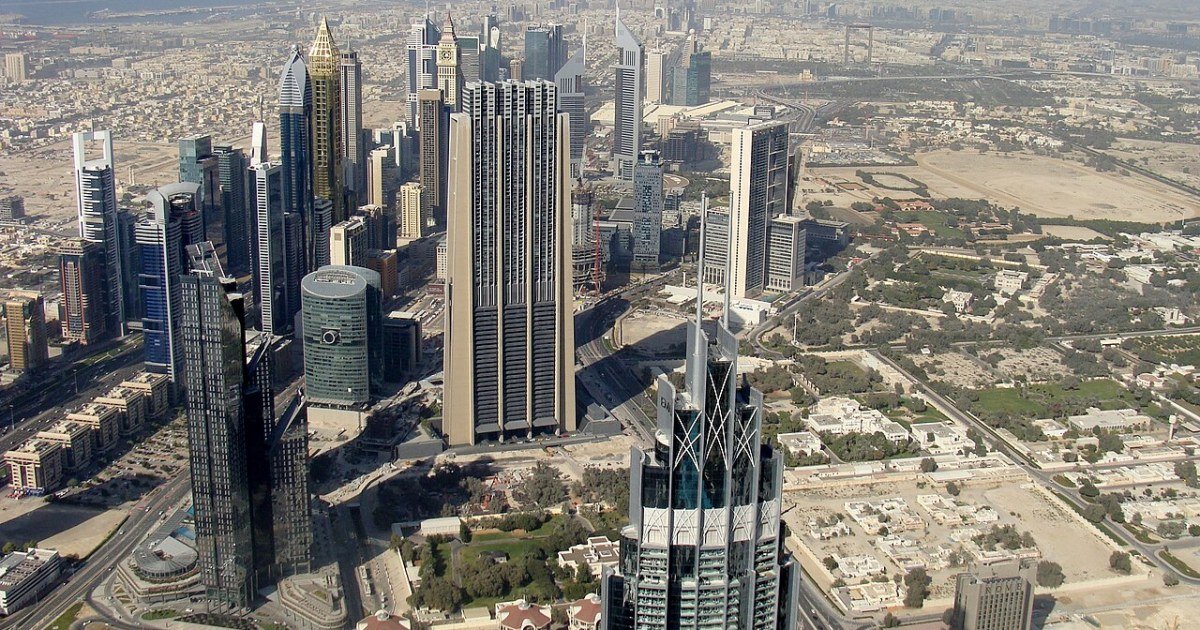
Choosing between Dubai Media City (DMC) and the Dubai Multi Commodities Centre (DMCC) is one of the most frequent dilemmas for entrepreneurs entering the UAE market. Both free zones are located in the heart of “New Dubai,” yet they cater to vastly different business philosophies and operational needs. While DMC is a member of the TECOM Group, focusing heavily on the creative and communications sectors, DMCC is a massive multi-sector hub that has been crowned the global free zone of the year multiple times. This guide breaks down the financial and operational differences to help you determine which zone offers the best value for your specific business model in 2026.
Strategic Positioning and Industry Focus
Dubai Media City: The Creative Powerhouse
Dubai Media City was established to be the regional hub for media agencies, news organizations, and creative freelancers. If your business activity falls under advertising, communication, event management, or broadcasting, DMC offers an ecosystem that is difficult to replicate. The primary advantage here is not just the license, but the proximity to industry giants like CNN, Reuters, and MBC. In 2026, the value of a DMC license is heavily tied to this networking potential. Businesses here are part of a curated community where the infrastructure is designed specifically for high-bandwidth media operations and creative collaboration.
DMCC: The Global Trade Hub
Located in the Jumeirah Lakes Towers (JLT) district, DMCC is significantly larger and more diverse than DMC. It was originally designed for commodities trading—gold, diamonds, tea, and coffee—but has evolved into a catch-all hub for everything from IT services to management consultancy and crypto-assets. For a business owner looking for the most flexible licensing options, DMCC is often the default choice. The sheer volume of companies in DMCC (over 20,000) creates a massive internal market for B2B services. If your business is not strictly “media,” DMCC provides a broader platform for general commercial activities.
Choosing Based on Your Business Activity
The first step in determining which is “cheaper” is identifying where your activity fits. DMC has a narrower list of permitted activities. If you try to force a general trading business into DMC, you may face higher compliance hurdles or simply be rejected. Conversely, while you can run a media agency in DMCC, you might miss out on the specific government-backed initiatives and industry events that are exclusive to the TECOM ecosystem. In 2026, the “cost” of a free zone should also be measured in lost opportunities; choosing the wrong ecosystem can be more expensive in the long run than the initial license fee difference.
Analyzing Initial Setup and Registration Fees
Registration and Licensing Costs
The initial financial hurdle for any UAE free zone is the registration fee and the annual trade license fee. For 2026, the Registration Fee is set at AED 2,500. This is a one-time payment made during the initial incorporation of the company. Following this, the Trade Licence (Annual) fee is AED 15,000. This license fee covers the legal right to operate within the free zone and must be renewed every year. While some promotional packages may exist, these figures represent the standard baseline for a professional or commercial license in these premium districts.
The Cost of the Establishment Card
An often-overlooked expense in the setup process is the Establishment Card (also known as the Establishment Folder). This document is mandatory for the company to be recognized by the Federal Authority for Identity, Citizenship, Customs & Port Security (ICP) and to begin sponsoring employee visas. The Establishment Card fee is AED 1,100. This card must be renewed periodically, and without it, all visa-related processes—including renewals and cancellations—come to a halt. When comparing DMC and DMCC, this cost is generally consistent, but it is a vital component of the initial AED 32,100 estimated total.
Hidden Costs and Administrative Fees
Beyond the headline figures, entrepreneurs must account for memorandum of association (MOA) drafting, power of attorney notarization, and potential security deposits. While the core fees are transparent, administrative charges for document processing can add up. In 2026, both free zones have moved toward fully digital portals (AXS for DMC and DMCC Portal for DMCC), which has streamlined costs but also introduced standardized convenience fees. It is essential to budget for these minor administrative outlays to avoid delays in the final issuance of the trade license.
Office Space and Physical Infrastructure
Flexi-Desk Solutions for Startups
For many digital nomads and small startups, a physical office is an unnecessary overhead. Both free zones offer “Flexi-desk” or “Smart Office” solutions to meet the legal requirement of having a physical address. The Flexi-desk (Annual) cost is AED 10,000. This provides the business owner with a dedicated or shared desk space, internet access, and often a certain number of hours in meeting rooms. This is the most cost-effective way to maintain a license in a premium location like JLT or Al Sufouh without committing to a long-term commercial lease.
Physical Office Requirements and Costs
As a business grows, the transition from a flexi-desk to a permanent office becomes necessary, especially if the company plans to sponsor more than two or three employees. In DMCC, the office market is diverse because JLT consists of over 80 towers, many of which are privately owned. This creates a competitive rental market where prices can vary significantly based on the tower’s quality and view. In contrast, Dubai Media City’s office stock is largely managed by TECOM, leading to more standardized pricing but often higher per-square-foot rates due to the prestige and limited supply of the area.
Location Advantages: JLT vs. Al Sufouh
The physical location impacts more than just rent; it affects employee commute times and client accessibility. DMCC (JLT) is famous for its high-density living, meaning many employees can live and work within the same community, potentially reducing transport allowances. Dubai Media City is located in Al Sufouh, adjacent to Dubai Marina and Palm Jumeirah. It is a more spread-out, campus-style environment. While JLT offers more retail and dining variety for staff, DMC offers a more professional, corporate-campus atmosphere that many high-end media firms prefer.
Visa Regulations and Workforce Management
Residence Visa Costs and Validity
For many expatriate owners, the primary goal of setting up a company is to secure a UAE residency visa. The Residence Visa fee is AED 3,500. This fee typically covers the entry permit, status change, medical fitness test, and Emirates ID processing. In 2026, these visas are generally valid for two years for free zone employees and investors. It is important to note that the visa cost does not include the mandatory health insurance, which varies in price depending on the level of coverage selected. For a company with a single owner-operator, the visa cost is a significant portion of the initial investment.
Managing Employee Visas and Quotas
The number of visas a company can sponsor is usually tied to the size of its office space. A standard flexi-desk usually allows for 1 to 3 visa quotas. If your business plan involves hiring a large team, the cost of upgrading to a physical office must be factored into your workforce management budget. Both DMC and DMCC have efficient online systems for managing visas, but DMCC’s larger scale means they often have more streamlined processes for bulk visa processing. However, DMC’s specialized nature means their staff are often better equipped to handle visas for specialized media roles that might require specific educational equivalencies.
Family Sponsorship and Dependent Visas
Once the business owner has secured their residence visa through the free zone, they are eligible to sponsor their family members. While the free zone facilitates the owner’s visa, family sponsorship is handled directly through the GDRFA or ICP. The costs for family visas are similar regardless of whether the company is in DMC or DMCC, but the company’s standing and the owner’s salary (as stated on the labor contract) will be scrutinized. Ensuring that your free zone company is in good standing with all fees paid is a prerequisite for successful family sponsorship.
Long-Term Operational Costs and Renewals
Annual License Renewal Fees
The “cheapest” free zone is not just the one with the lowest setup cost, but the one with the most sustainable renewal fees. The Trade Licence (Annual) fee of AED 15,000 remains a recurring cost. In 2026, both free zones have implemented strict penalties for late renewals. It is a common mistake for new entrepreneurs to spend their entire budget on setup and fail to reserve funds for the Year 2 renewal. Additionally, the Flexi-desk (Annual) fee of AED 10,000 must also be paid every year to maintain the legal address requirement.
Audit Requirements and Compliance
DMCC has historically been very strict about the submission of annual audited financial statements. Failure to submit an audit report can lead to fines and the inability to renew the license. Dubai Media City also requires financial transparency, though the enforcement can vary based on the specific activity. In 2026, both zones are fully integrated with the UAE’s anti-money laundering (AML) and Ultimate Beneficial Owner (UBO) reporting requirements. Hiring a registered auditor to prepare these reports is an additional annual cost that must be factored into the operational budget.
Scaling Your Business in the Free Zone
If you plan to expand, DMCC offers more “room” to grow in terms of diverse office types and the ability to add multiple business activities to a single license for a fee. DMC is more restrictive; if you want to move from media services into trading, you might find yourself needing a completely new license or even moving zones. Therefore, DMCC is often considered the more “future-proof” option for entrepreneurs whose business model might evolve over time. However, for those committed to the media sector, the brand equity of a “Dubai Media City” address remains a powerful asset for client acquisition.
| Fee Category | Verified Cost (AED) |
|---|---|
| Registration Fee (One-time) | 2,500 |
| Trade Licence (Annual) | 15,000 |
| Establishment Card | 1,100 |
| Flexi-desk (Annual) | 10,000 |
| Residence Visa (Per Person) | 3,500 |
| Estimated Total (1 Visa + Flexi) | 32,100 |
Step-by-Step Setup Process
Step 1: Activity and Name Selection. Define your business activity clearly. This determines your eligibility for either DMC or DMCC. You must also submit three name options for approval, ensuring they comply with UAE naming conventions (no blasphemy, no references to political groups, and must include the legal suffix like ‘FZC’ or ‘DMCC’).
Step 2: Initial Approval and Documentation. Submit the passport copies of shareholders and the business plan (if required). At this stage, you will pay the initial Registration Fee of AED 2,500. The free zone authority will conduct a background check and provide initial approval.
Step 3: Office Lease and Legal Signing. Decide on your office solution. For most, this will be the Flexi-desk at AED 10,000 per year. You will sign the lease agreement and the Memorandum of Association (MOA). Once signed, the Trade Licence of AED 15,000 is paid, and the license is issued.
Step 4: Visa Processing. With the license in hand, apply for the Establishment Card (AED 1,100). Once the card is issued, you can apply for your Residence Visa (AED 3,500). This involves a medical test and Emirates ID biometrics. After the visa is stamped (or issued as an e-visa), the process is complete.
UAE Corporate Tax in 2026
As of 2026, all free zone entities in DMC and DMCC must navigate the UAE Corporate Tax regime. Businesses can benefit from a 0% Corporate Tax rate on “Qualifying Income” if they maintain the status of a Qualifying Free Zone Person (QFZP). This requires maintaining adequate substance in the UAE and complying with transfer pricing rules. For all other taxable income, a standard rate of 9% applies to taxable profits exceeding AED 375,000. It is mandatory for every company, regardless of whether they owe tax or not, to register for Corporate Tax and file an annual return. Failure to register can result in significant administrative penalties.
Frequently Asked Questions
Which free zone is better for a freelance content creator?
Dubai Media City is generally superior for content creators due to its specialized freelance permits and the concentration of media agencies that provide potential freelance contracts. However, if the creator also intends to sell physical merchandise, DMCC might offer more flexible trading activities.
Can I move my company from DMCC to Dubai Media City?
You cannot simply “transfer” a license between these two authorities as they are governed by different bodies (TECOM vs. DMCC Authority). You would typically need to liquidate the existing company and start a new incorporation process in the target free zone.
Is the AED 32,100 total inclusive of all costs?
The AED 32,100 is an estimate covering the core government and license fees. It does not include variable costs such as mandatory health insurance, corporate bank account opening assistance, or VAT registration services, which may be required if your revenue exceeds the threshold.
Do I need a physical office to get a visa in DMCC?
No, a flexi-desk (Smart Office) is sufficient to qualify for a limited number of visas. The AED 10,000 annual flexi-desk fee satisfies the legal requirement for a physical address in the UAE for both DMCC and DMC.
How long does the setup process take in 2026?
On average, the process from initial application to trade license issuance takes 7 to 10 working days, provided all documents are in order. The visa process takes an additional 10 to 15 working days depending on the speed of medical results and Emirates ID processing.