DMCC vs RAKEZ vs IFZA in 2026: The Honest Comparison Nobody Else Will Give You
Here’s what happens in nearly every consultation I take: a founder arrives with a shortlist — DMCC, RAKEZ, or IFZA. They’ve done their research. They’ve read the blog posts. And yet they still can’t figure out which one is actually right for them. After ten years of helping businesses set up in UAE free zones, I’ve realised why: most comparisons tell you what these zones are, not when you should choose them.
So this isn’t another side-by-side table with ticked boxes. This is the comparison I give clients before they make a decision they’ll live with for three to five years. The honest version, with real numbers, real trade-offs, and real scenarios.
Let’s start with a number that surprises most people: 70% of my clients who end up at IFZA originally wanted DMCC.
Quick Comparison: DMCC vs RAKEZ vs IFZA (2026)
| Factor | DMCC | RAKEZ | IFZA |
|---|---|---|---|
| Year 1 cost (1 visa) | AED 35,000–40,000 | AED 18,000–22,000 | AED 19,500–23,000 |
| Location | Dubai (JLT) | Ras Al Khaimah | Dubai (Silicon Oasis) |
| Best for | Trading, commodities, enterprise | SMEs, manufacturing, budget | Consultants, e-commerce, services |
| Visa quota | 3 on flexi-desk | 2 on Smart Desk | 1–3 depending on package |
| Setup time | 7–10 working days | 3–7 working days | 3–5 working days |
| Banking ease | Easiest | Moderate | Moderate |
Figures are indicative 2026 ranges for a standard flexi-desk setup with one residency visa. Always request a current written quote before proceeding.
What DMCC, RAKEZ, and IFZA Actually Are in 2026
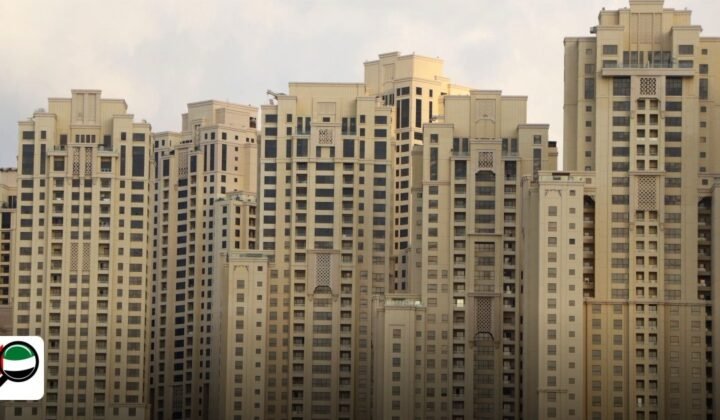
DMCC — the Dubai Multi Commodities Centre — is the world’s largest free zone by registered companies and has held that title consistently since 2015. It operates out of JLT (Jumeirah Lakes Towers) in Dubai and is genuinely a prestige address. The DMCC name carries weight in boardrooms in Singapore, London, and Mumbai. In 2025, DMCC was again ranked the world’s top free zone by the Financial Times. That’s not marketing; it’s a fact that matters in certain industries.
RAKEZ — the Ras Al Khaimah Economic Zone — is the result of a 2017 merger between RAK Free Trade Zone and RAK Investment Authority. It’s located about 45 minutes north of Dubai. RAKEZ serves over 16,000 businesses from more than 100 countries and has aggressively positioned itself as the affordable, flexible alternative for SMEs and entrepreneurs who don’t need the Dubai postcode but do need a serious UAE jurisdiction.
IFZA — the International Free Zone Authority — operates in Dubai’s Silicon Oasis area and has grown at a remarkable pace since 2018. It’s become the go-to recommendation for consultants dealing with trading companies, consultancies, and e-commerce businesses that want a legitimate Dubai address without the DMCC premium. IFZA processed its 50,000th company registration in 2024. It’s not a startup anymore.
Real Costs in AED: What You’ll Actually Pay in Year One
The numbers below are based on current 2026 rates. They’ll shift — they always do — but these give you a working baseline. And yes, I’m being specific, because “approximately AED 15,000–25,000” is not helpful when you’re trying to build a financial model.
DMCC (flexi-desk, single activity): Licence fee approximately AED 18,500 + registration fee AED 9,870 + establishment card AED 1,040. Visa allocation: typically 3 for a flexi-desk package. Total year-one entry cost including visa medical and Emirates ID (for one visa): roughly AED 35,000–40,000. Renewal in year two: AED 20,000–24,000 depending on activities. Office space in JLT beyond flexi-desk starts at AED 55,000 annually for the smallest serviced options. For the complete licence types, costs and step-by-step process, see our DMCC free zone company setup guide 2026.
RAKEZ (flexi-desk, Smart Desk package): This is where RAKEZ genuinely undercuts the competition. Their Business Starter package runs approximately AED 6,500 to AED 9,200 for the licence depending on activity. A flexi-desk with 2 visa allocations costs approximately AED 11,000–14,000 all-in for the licence package. Total year-one cost including one visa: AED 18,000–22,000. That’s genuinely half the cost of DMCC for a comparable setup. Renewal in year two comes in around AED 12,000–16,000.
IFZA (flexi-desk, Dubai Silicon Oasis): IFZA’s base package — one activity, flexi-desk, 1 visa — currently runs AED 15,900 as a published rate. Their three-visa package is approximately AED 21,000 including the visa cost. Total year-one cost including one residency visa: AED 19,500–23,000. Renewal is typically AED 17,000–20,000. IFZA also allows up to 10 activities per licence at AED 1,500 per additional activity, which is a significant advantage for diverse businesses.
Here’s the counter-intuitive insight: the cheapest year-one option is almost never the cheapest long-term decision. RAKEZ looks incredible at year one. But if your business needs a physical office within 18 months — and more businesses do than founders admit — RAKEZ’s geography becomes expensive in other ways (driver costs, client perception, team commutes from Dubai).
Activity Lists, Structures, and What You’re Actually Allowed to Do
This section matters more than most people realise. UAE free zone licences are activity-specific. You can only legally conduct business in the activities listed on your licence. Getting this wrong costs money and time to fix.
DMCC has an extremely comprehensive activity list — over 2,000 permitted activities across commodities, trading, services, and technology. Their primary strength is commodities: gold, diamonds, tea, cocoa, energy trading. If your business touches physical commodities in any meaningful way, DMCC isn’t just an option — it’s the jurisdiction. The DMCC has its own commodities exchange (DCSX), its own tower district (JLT), and a business ecosystem that actively supports commodity-linked companies. It also has a strong fintech cluster and crypto ecosystem post-VARA licensing.
RAKEZ covers over 50 business categories and has a strong focus on manufacturing, industrial, and creative businesses. They have dedicated industrial zones in addition to business zones, which matters for businesses that need physical production space. For education, healthcare, media, and manufacturing — RAKEZ is often the strongest structural fit. They also offer in5 creative cluster packages for creative freelancers and startups that start at under AED 10,000.
IFZA offers up to 10 activities per licence (as mentioned, at AED 1,500 per additional activity), which is a real advantage for generalist trading companies, consultancies, and e-commerce businesses that have diversified revenue streams. IFZA doesn’t have the deep specialisation of DMCC or the manufacturing infrastructure of RAKEZ, but for a professional services or trading company that wants flexibility, no other free zone matches IFZA on activity breadth at that price point.
One thing none of the mainstream comparisons mention: IFZA allows 100% foreign ownership AND permits dual licensing with mainland Dubai Directorate of Economic Development (DED) through their special arrangements. This means an IFZA company can, in some cases, legally service UAE mainland clients directly — something that pure free zone licences typically cannot do without a local distributor or branch. This is worth a direct conversation with a consultant before you decide.
Visas, Residency, and What the Numbers Mean for Your Team
UAE residency visas are often the primary driver of free zone decisions for founders and their families. Here’s how the three zones compare in practice.
DMCC allocates 3 visas for a standard flexi-desk package. You can apply for more with the Ministry of Human Resources and Emiratisation (MOHRE) if your establishment card supports it, but the default is 3. Physical office holders at DMCC get more generous allocations — typically 1 visa per 8–9 sqm of space, consistent with standard UAE commercial licensing rules administered through the relevant authority. Visa processing at DMCC is generally smooth — the zone has its own service centre and good integration with GDRFA (General Directorate of Residency and Foreigners Affairs).
RAKEZ is competitive on visa pricing. Their Smart Desk packages come with 2 visa allocations, and additional visas can be purchased. Visa processing is handled through RAK-based GDRFA, which is often faster than Dubai — an underappreciated point. If your team is in place and you need Emirates IDs and health insurance quickly, RAKEZ’s processing timelines can genuinely be 20-30% faster than the Dubai zones for routine visa renewals.
IFZA includes 1 or 3 visa allocations depending on the package, with additional visas purchasable. Like DMCC, visas are processed through Dubai GDRFA. Costs for the visa itself (medical, Emirates ID, health insurance) are essentially identical across all three zones — these are UAE federal costs, not zone-specific. Budget AED 3,500–4,500 per visa including all mandatory components (medical test, Emirates ID, health insurance at minimum Dubai health authority standard).
One point every entrepreneur should understand: UAE free zone visas count as UAE residency but you cannot legally work for UAE mainland companies on a free zone visa. Your employment contract must be with your free zone company. The Wages Protection System (WPS) does apply if you have employees on a WZ labour contract — even at small free zones — so your payroll must run through a WPS-compatible system regardless of which zone you choose.
Common Mistakes When Choosing Between These Three Zones
After hundreds of client consultations, I’ve watched the same mistakes happen. Here are the ones that cost the most to fix.
Choosing DMCC for the prestige without needing it. If your clients are regional SMEs, solo consultants, or e-commerce buyers, a DMCC address doesn’t give you the conversion rate advantage you’re imagining. DMCC’s brand premium translates to real value in institutional sales, regulated finance, and commodities. For a digital marketing agency or an import-export SME, the AED 15,000 annual premium over IFZA is rarely recovered in revenue.
Choosing RAKEZ without visiting RAK. This sounds obvious, but the 45-minute drive from central Dubai feels very different at 8am daily than it does on a one-off visit. If you or your team will regularly need face-to-face client meetings in Dubai, seriously model the commute and transportation costs. That said, for businesses that operate primarily online, or whose clients visit a Dubai-based meeting room (which you can rent by the hour), RAKEZ’s location is a non-issue.
Underestimating renewal costs. Free zone companies often set their budget based on year-one all-in costs and are surprised when year two arrives. Year two is usually 80–90% of year one’s cost across all three zones, but without the setup costs. Budget for it properly from the start using the figures I’ve given above.
Ignoring activity restrictions. Choosing a zone before confirming that your specific activities are permitted is a common and costly mistake. Always get a written confirmation from the zone authority — not just from a consultant — that your intended activities are permitted and what sub-categories apply. DMCC, RAKEZ, and IFZA all have consultants available for pre-registration queries and this step costs nothing.
Assuming all free zones are equally respected by UAE banks. This is critical and under-discussed. Opening a UAE corporate bank account for a free zone company has become genuinely difficult post-2021 due to enhanced AML/KYC requirements from the UAE Central Bank (CBUAE). DMCC company accounts are generally the easiest to open with major UAE banks like Emirates NBD, Mashreq, and Abu Dhabi Islamic Bank. IFZA companies are also well-accepted. RAKEZ companies can face additional scrutiny at some banks due to the RAK jurisdiction, though this has improved significantly. Budget 6–10 weeks for bank account opening regardless of your zone, and have 12 months of bank statements from your home country ready.
What Most Comparisons Don’t Tell You
The real question isn’t “which zone is better?” It’s “which zone is right for your specific situation in the next three years?”
Here’s the framework I actually use. If your answer to any of these questions is yes, it points strongly in one direction:
Will you be pitching enterprise or regulated clients? → DMCC. The DMCC letterhead has brand equity in finance, commodities, and enterprise sales that’s worth more than the cost difference in the right industries.
Is budget your primary constraint and are you comfortable working from Dubai occasionally? → RAKEZ. Get yourself a good WeWork or IWG membership in Dubai (AED 1,500–2,500/month for a hot desk) and you’ll have an effective hybrid setup for of less than a comparable DMCC arrangement.
Do you need a Dubai address, 2–4 visa allocations, multiple activities, and moderate cost? → IFZA. This is the goldilocks zone for 2026 — not too expensive, not compromised on jurisdiction, genuinely flexible on activities.
One thing I tell every client: the best free zone is the one you set up correctly the first time and don’t need to migrate away from in 18 months. Migration between free zones is possible but costs AED 8,000–15,000 in fees and typically takes 4–6 weeks. It’s not catastrophic, but it’s disruptive and unnecessary with proper planning.
For more detailed comparisons of individual free zones including sector-specific deep dives, explore our UAE Free Zone Directory and our Free Zone Comparison Tool.
Frequently Asked Questions
Which is cheaper overall — DMCC, RAKEZ, or IFZA?
Over a three-year horizon, RAKEZ is consistently the cheapest option for a flexi-desk setup with one or two visas. Year-one costs can be as low as AED 18,000–22,000 including one residency visa. IFZA is the next most cost-effective at AED 19,500–23,000 year one, with the advantage of a Dubai address. DMCC costs roughly AED 35,000–40,000 in year one for a comparable setup. If budget is your primary constraint and you don’t need a Dubai address for client credibility reasons, RAKEZ is the clear winner. If a Dubai address matters, IFZA beats DMCC on price while offering genuine value.
Can I actually get a residency visa from all three free zones?
Yes. All three — DMCC, RAKEZ, and IFZA — issue UAE residency visas through the relevant GDRFA (General Directorate of Residency and Foreigners Affairs). DMCC and IFZA process through Dubai GDRFA; RAKEZ processes through RAK GDRFA. The visa itself grants the same UAE residency rights regardless of which GDRFA handles it. The costs are broadly similar: budget AED 3,500–4,500 per visa including medical fitness test, Emirates ID application, and basic health insurance. The main difference is that RAKEZ visa processing is often slightly faster due to lower queue volumes at RAK GDRFA.
Is a DMCC company really easier to bank with than RAKEZ or IFZA?
In practice, yes — though the difference has narrowed. UAE banks performing AML due diligence (as mandated by the CBUAE) view DMCC as a premium, well-regulated jurisdiction with strong compliance infrastructure. IFZA is also well-regarded and most major banks will process IFZA applications without significant friction. RAKEZ has historically faced slightly more scrutiny at some banks — not because the zone is problematic, but because RAK jurisdiction triggers additional questions at some institutions. That said, all three can open accounts at UAE banks; the difference is in processing time and the documentation burden. Budget 6–10 weeks regardless of zone, and prepare audited financial statements plus your activity breakdown clearly.
Can an IFZA or RAKEZ company do business in mainland UAE?
This is one of the most misunderstood questions in UAE business setup. Technically, free zone companies — regardless of which zone — are restricted from directly conducting commercial activities on the UAE mainland without a mainland branch or a local distributor. However, there are important nuances. B2B services sold to mainland companies are generally permissible. E-commerce sales through UAE-based platforms can be structured compliantly. IFZA has arrangements that allow certain dual-licensing activities. DMCC has its own set of mainland-facing provisions. If your revenue model depends significantly on UAE mainland clients or customers, get specific legal advice from a UAE commercial lawyer registered with the Dubai Courts before choosing your zone — not just from a formation agent.
How long does it take to set up a company at each zone?
For straightforward applications, expect: IFZA 5–8 business days for licence issuance. RAKEZ 3–7 business days. DMCC 7–14 business days (their process has more documentation requirements at the approval stage). These timelines assume complete documentation — company name approval, shareholder passport copies, signed application forms — submitted without errors. The residency visa process adds another 3–5 weeks after the licence is issued, covering the entry permit, status change or medical fitness test, Emirates ID biometrics, and visa stamping. Ejari registration (for office leases above flexi-desk level) adds 1–3 days but is only required for physical office spaces, not flexi-desks.
Every situation has details that matter more than any general comparison can capture. If your business has specific activity requirements, banking needs, or visa considerations that don’t fit neatly into the frameworks above, drop us a message on WhatsApp at +971507864823 — it’s usually faster than email and we reply within the hour. The right free zone decision is worth getting right the first time.
E-commerce businesses have additional setup considerations beyond zone selection — our free zone e-commerce business setup guide covers the full process.