
Ever felt stuck trying to decode who exactly can qualify as a free‑zone person in the UAE? You’re not alone – the term pops up in every licence application, yet the fine print is easy to miss.
In the UAE, a “free‑zone person” can be an individual, a foreign company, or a branch of an overseas corporation. The key is that the entity must not have a physical presence on the mainland, and it must be wholly owned or represented by a local sponsor approved by the specific free‑zone authority.
For example, Ahmed, a solo tech entrepreneur from Germany, set up his SaaS startup in Dubai Internet City. He qualified because he registered as an individual free‑zone person, submitted his passport copy, and proved he had no existing UAE mainland office. On the other hand, a European retail chain wanted to open a showroom in Sharjah Free‑Zone. They had to create a local branch office, appoint a local service agent, and then register the branch as a free‑zone person. Without that step, the licence would have been rejected.
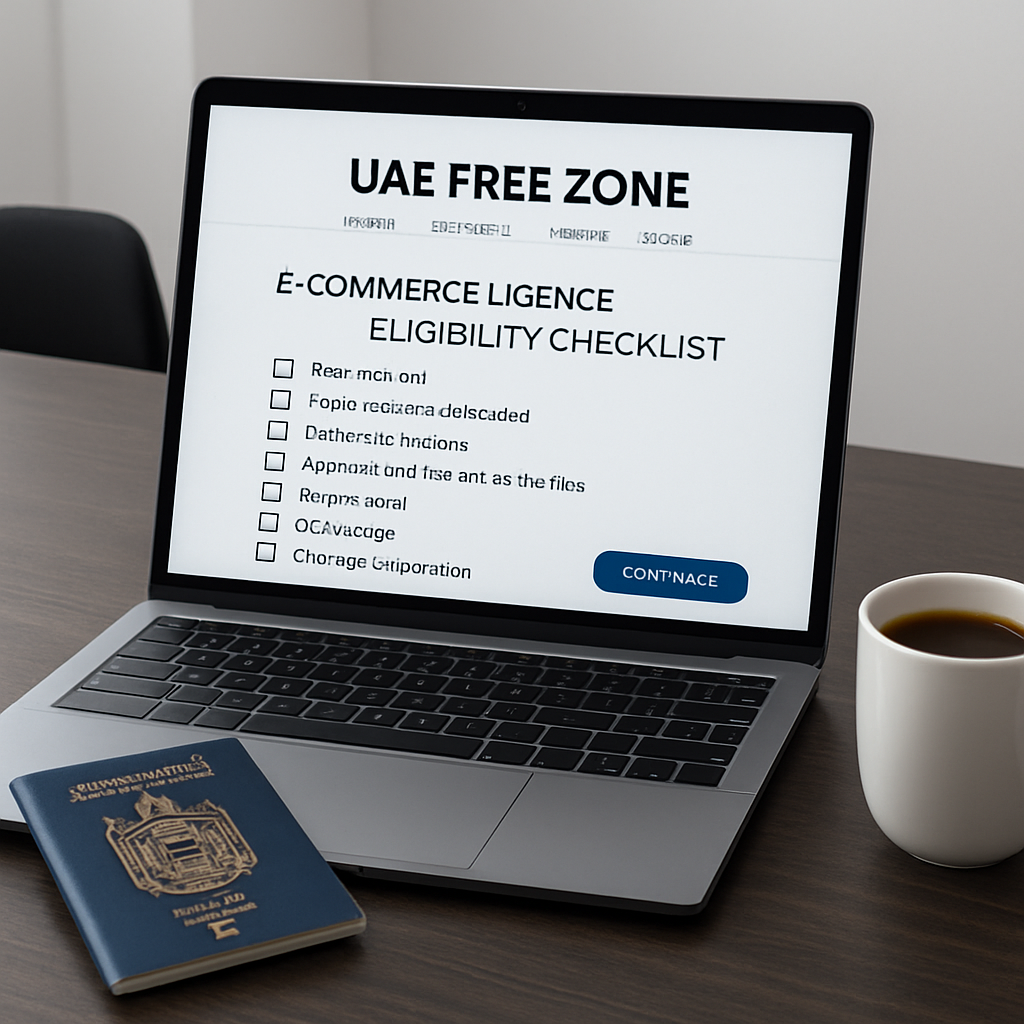
What we’ve seen work best is to run a quick checklist before you start gathering documents: 1️⃣ Confirm the entity type you’re using (individual, foreign company, or branch). 2️⃣ Verify that the chosen free zone allows that entity type – some zones only accept individuals. 3️⃣ Prepare proof of no mainland operation – a simple declaration or a nil‑activity statement often suffices. 4️⃣ Secure a local sponsor or service agent if the zone requires one. 5️⃣ Keep your passport, notarised power‑of‑attorney, and a recent bank reference handy.
Data from the Dubai Chamber shows that 68 % of new free‑zone licences in 2023 belonged to foreign individuals, while only 22 % were foreign corporations. That tells you most entrepreneurs prefer the individual route because it’s faster and costs less in sponsorship fees.
If you’re unsure which structure fits, take a look at our CORPORATE STRUCTURING guide. It walks you through the pros and cons of each option and even includes a simple decision tree you can print out.
TL;DR
To qualify as a free‑zone person in the UAE, you must be an individual, foreign company, or branch with no mainland presence and meet the zone’s sponsorship rules.
Our quick checklist—entity type, zone eligibility, nil‑activity proof, local sponsor, passport and POA—helps you verify those requirements fast and avoid costly rejections.
Eligibility Criteria for Individuals
When you think about becoming a free‑zone person, the first thing that pops into your head is usually paperwork. And that’s exactly why we start with the basics: who can actually qualify as an individual?
In the UAE, any natural person who holds a valid passport, doesn’t own a mainland office, and can prove they have no existing UAE commercial activity is eligible. That sounds simple, but the devil is in the details – especially when the free‑zone authority asks for “nil‑activity” proof.
Passport and Identity Verification
Your passport copy is the cornerstone. The authority will check that it’s current (within six months of expiry) and that the name matches any power‑of‑attorney you’ll later submit. If you’re a dual‑national, bring both passports – it saves the back‑and‑forth.
Tip: Scan your passport at 300 dpi, keep the file name clean (e.g., “JohnDoe_Passport.pdf”), and double‑check that the scanned image isn’t blurry. A fuzzy passport photo is the fastest way to get your file rejected.
No Mainland Presence
“No mainland presence” means you cannot have an office, warehouse, or even a virtual desk registered with the Department of Economic Development. If you already run a side‑hustle from a coworking space in Dubai Marina, you’ll need to either close that setup or relocate it to the free zone you’re applying for.
Sometimes the line blurs – a shared desk is technically a lease, but most authorities treat it as a “presence.” The safest route is to get a written declaration from the coworking provider stating you have no permanent office space.
Local Sponsor or Service Agent
Most UAE free zones require a local sponsor or a service agent, even for individuals. The sponsor doesn’t own your business; they simply act as a liaison with the government. That’s where PRO Services in UAE – UAE Free Zone Finder can make life easier, handling sponsor appointments, visa paperwork, and document attestation.
Ask yourself: do you have a trusted contact in the UAE, or would you rather let a professional service manage this step? For many first‑time entrepreneurs, the latter avoids costly delays.
Bank Reference and Financial Standing
The free‑zone authority often asks for a recent bank reference letter confirming you have sufficient funds to cover the initial licence fees and a modest operating capital. It doesn’t have to be a huge amount, but the letter should be on official letterhead, signed, and dated within the last three months.
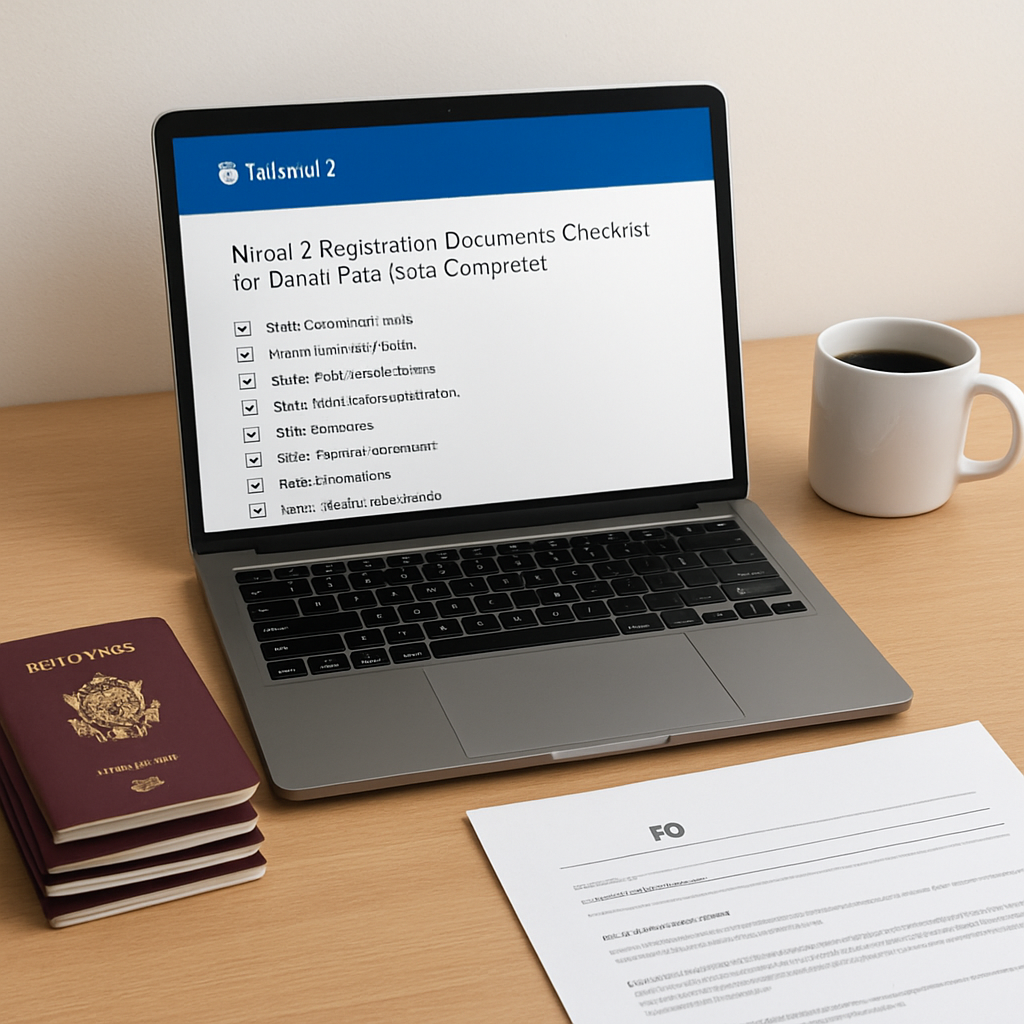
And here’s a quick checklist you can copy‑paste into a note:
- Valid passport (scanned copy)
- Nil‑activity declaration or landlord statement
- Power‑of‑attorney (if using a sponsor)
- Bank reference letter
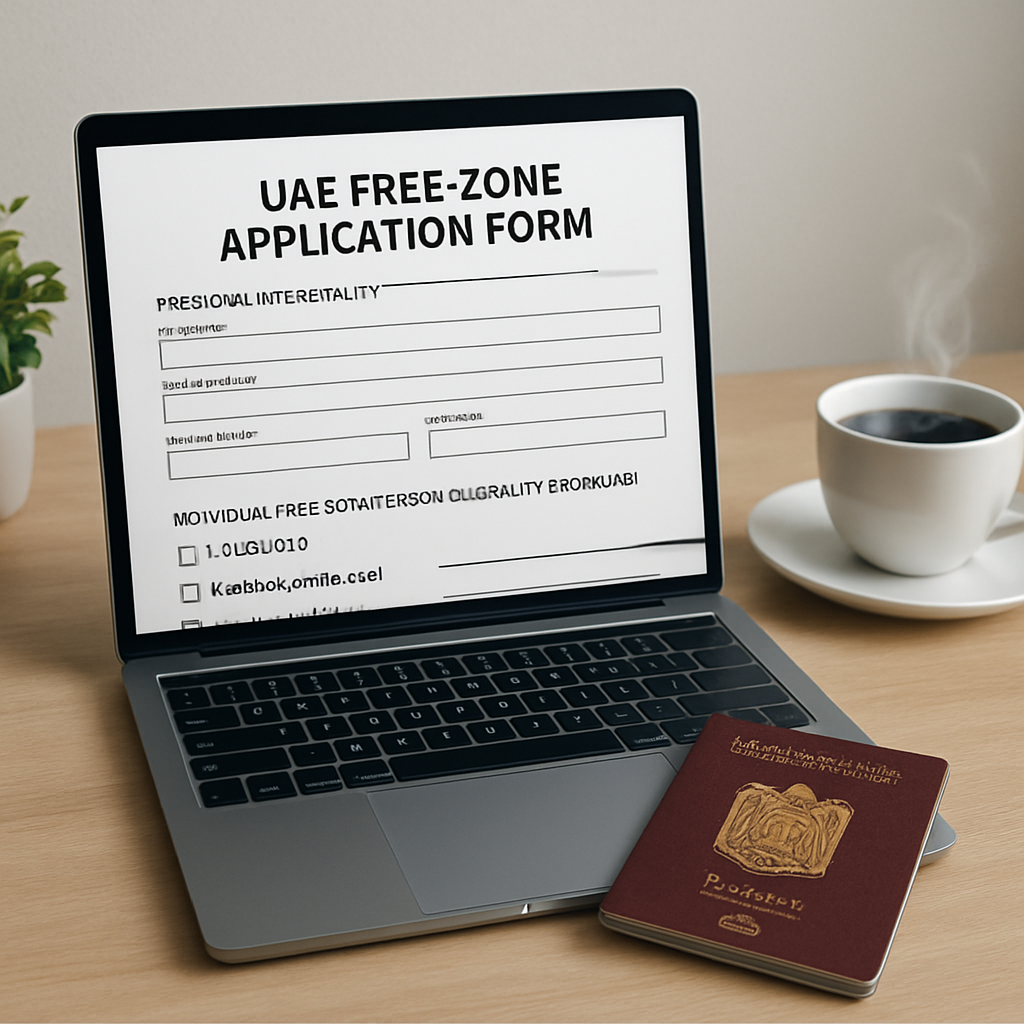
- Completed application form
Once you have those, you’re ready to submit. The next step is usually a short interview or a clarification call – don’t be surprised if the officer asks why you chose that particular free zone.
Watching a short video walkthrough can demystify the submission portal, especially the part where you upload your nil‑activity proof. It’s worth the five minutes.
 [p]Now that the paperwork side is clear, let’s think about the next phase: getting your new venture noticed. Even after you secure the licence, you’ll need to market your business, build backlinks, and drive traffic. That’s where an automated content engine like Rebelgrowth can help you generate SEO‑friendly articles without spending hours at the keyboard.[/p]
And if you’re already juggling multiple setup tasks – legal, banking, office fit‑out – you might appreciate a bit of AI‑driven efficiency. Assistaix offers automation tools that can streamline everything from email follow‑ups to invoicing, letting you focus on product development instead of admin.
Bottom line: qualifying as an individual free‑zone person is mostly about proving you’re a “clean slate” – no mainland ties, a solid identity, and a willing local sponsor. Get those documents in order, use the right professional services, and you’ll be on your way to operating tax‑efficiently in the UAE.
Step-by-Step Process to Obtain Free Zone Person Status
So you’ve decided to chase the 0 % tax sweet spot – great move. The real question is: how do you actually become a qualifying free zone person without tripping over paperwork?
Step 1 – Pick the right free zone
Not every free zone welcomes every activity. First, check the zone’s activity list – Dubai Internet City, for example, loves tech startups, while Jebel Ali is more freight‑friendly.
Ask yourself, does the zone accept individuals for my line of business? If the answer is yes, you’ve cleared the biggest hurdle.
Step 2 – Gather the core documents
Here’s the checklist you’ll hand to the authority:
- Valid passport copy (photo page).
- Proof of residential address – a recent utility bill works.
- Bank reference or recent statement (some zones demand it).
- Signed nil‑activity or non‑mainland declaration.
- Power‑of‑Attorney if a PRO files on your behalf.
Keep originals safe; you’ll need to flash them during verification.
Step 3 – Draft a clear activity declaration
Write a short, plain‑language statement that says exactly what you’ll do inside the zone. Avoid jargon – “software development for SaaS platforms” beats “digital solutions provider”.
Why? The Federal Tax Authority looks for “qualifying income” tied directly to the declared activity source.
Step 4 – Submit the application
Upload the PDFs on the zone’s portal, attach the nil‑activity declaration, and pay the modest processing fee. Most zones give you a 48‑hour turnaround if everything is tidy.
Tip: Ask your PRO to run a “pre‑check” – it’s a cheap way to catch missing stamps before you hit “submit”.
Step 5 – Verify the receipt and collect the licence
When the licence arrives, double‑check the “Person” field. It should read “Individual” or “Natural Person” – that’s the legal wording that triggers the 0 % rate.
If you see “Company”, you’ve accidentally registered a corporate entity and will face the standard 9 % corporate tax.
Step 6 – Keep the paperwork alive
Store the licence, passport copy, and nil‑activity declaration in a cloud folder you can pull up in seconds. The tax authority may ask for originals during an audit.
Also, keep an eye on any new office or warehouse outside the zone. Even a tiny storage unit can be deemed a permanent establishment, pulling you into the 9 % tax bracket.
Real‑world examples
Take Anna, a UK‑based fintech founder. She chose Dubai International Financial Centre, submitted a two‑page activity declaration, and within a week was enjoying the 0 % rate on her licensing fees.
Contrast that with Marco, an Italian consultant who kept a small showroom on the mainland. The tax office flagged the showroom as a permanent establishment, and his “free‑zone” income got hit with the 9 % rate.
Quick checklist you can copy
- Confirm zone accepts your activity.
- Passport + photo.
- Address proof.
- Bank reference.
- Nil‑activity declaration.
- Power‑of‑Attorney (if needed).
Print this, tick it off, and you’ll never wonder whether you missed something.
Optional: Get professional help
If you’re juggling multiple visas or need a local sponsor, a business‑setup partner can smooth the process and keep you compliant.
Bonus tip – automate your post‑setup chores
Once you’re qualified, you’ll still need to track expenses and file VAT returns. Tools like RebelGrowth’s SEO platform can help you stay visible online, while Assistaix’s AI automation streamlines bookkeeping and invoice processing.
Does this feel manageable? Absolutely. With the right documents, a clear activity statement, and a little professional guidance, you’ll lock in the qualifying free zone person status and enjoy that coveted 0 % rate.
Documentation and Legal Proofs Needed
When you finally nail down the free‑zone you want, the next hurdle is proving you meet the qualifying free zone person requirements uae. It feels a bit like gathering evidence for a visa, but the good news is most of the paperwork is straightforward if you know exactly what to pull together.
Core documents you’ll need
First, grab a clear, colour‑scanned copy of your passport – the photo page only. The free‑zone authority will use this to verify identity and nationality. Pair it with a recent utility bill or bank statement that shows your residential address; a foreign address works fine as long as it’s official.
Next comes the nil‑activity declaration. This is simply a signed statement saying you don’t operate any business on the UAE mainland. If you’ve already set up a mainland office, you’ll need to close it or re‑classify it as a branch – otherwise the tax authority will see you as having a permanent establishment.
Don’t forget a notarised Power‑of‑Attorney (POA) if you’re using a local PRO to submit on your behalf. The POA must be stamped by the UAE embassy in your home country and then attested by the Ministry of Foreign Affairs.
Optional, but highly recommended documents
Some zones ask for a bank reference letter – a short note from your bank confirming you have an active account and a clean record. It’s not a credit check; it’s just a sanity‑check for the regulator.
Finally, a brief “activity description” (no more than two pages) that outlines exactly what you’ll do inside the zone. Keep the language plain: “developing SaaS platforms for fintech clients” beats “providing innovative digital financial solutions”.
Real‑world snapshot
Take Lena, a German e‑commerce founder. She submitted her passport, a German electricity bill, a notarised POA, and a one‑page activity description to the Dubai Silicon Oasis Authority. The authority asked for a nil‑activity statement, which she drafted in under ten minutes. Within four days, her licence read “Individual – Free Zone Person” and the 0 % tax rate kicked in.
Contrast that with Sam, an Australian consultant who tried to skip the nil‑activity declaration, assuming his freelance work from home counted. The authority flagged his file, asked for clarification, and delayed his licence by three weeks. Lesson: a single missing line can cost you time and money.
Step‑by‑step checklist you can copy today
| Document | Format | Key tip |
|---|---|---|
| Passport copy | PDF, colour‑scanned | Ensure the MRZ line is legible. |
| Proof of address | Utility bill, bank statement | Must be dated within the last three months. |
| Nil‑activity declaration | Signed PDF | Use the zone’s template if provided. |
| Power‑of‑Attorney | Notarised & attested | Include both original and certified copy. |
| Bank reference | Letter on bank letterhead | One‑page, signed by branch manager. |
Print this table, tick each item, and you’ll never wonder if something’s missing.
How to avoid common pitfalls
1️⃣ Don’t mix up mainland and free‑zone addresses. Even a mailbox on the mainland can be interpreted as a physical presence.
2️⃣ Watch the language. Authorities are picky about wording – “no mainland operations” is better than “limited mainland activity”.
3️⃣ Keep originals handy. During verification the officer may ask to see the original passport; a scanned copy won’t cut it.
4️⃣ Use a trusted PRO. In our experience, a seasoned PRO can flag missing stamps before you hit “submit”, saving you days of back‑and‑forth. For a vetted list of PROs, check out UAQ FREE TRADE ZONE – UAE Free Zone Finder – they’ve helped dozens of entrepreneurs smooth out the paperwork.
5️⃣ Document everything digitally. Store PDFs in a cloud folder with clear naming (e.g., “Passport_JohnDoe.pdf”). If an audit comes, you can pull the file in seconds.
Bonus tip: future‑proof your proof
After you’ve secured the licence, set a calendar reminder to renew the nil‑activity declaration annually. Some zones require a fresh statement each year, even if nothing changes. It’s a tiny task that prevents a nasty surprise when the tax authority does a compliance check.
Does this feel manageable? Absolutely. With a clear list, a few well‑crafted statements, and the right local support, you’ll meet the qualifying free zone person requirements uae without breaking a sweat.
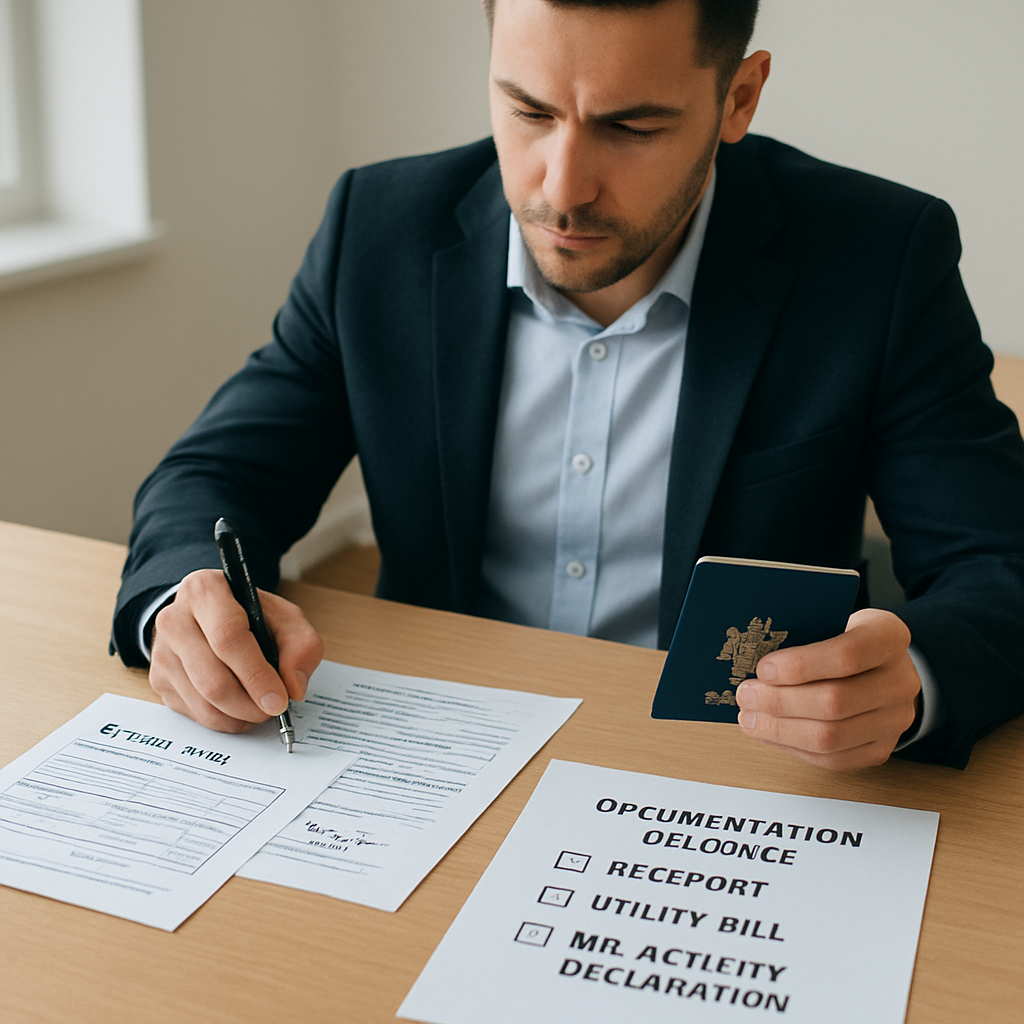
Common Pitfalls and How to Avoid Them
When you’re juggling passports, nil‑activity declarations, and a deadline that feels more like a ticking bomb, it’s easy to slip into a rut of avoidable mistakes. Below we unpack the most frequent hiccups we see entrepreneurs run into and, more importantly, give you a concrete game‑plan to sidestep them.
1. Mixing Up Mainland and Free‑Zone Addresses
It sounds trivial, but a single mailbox on the mainland can instantly flag your application as a “permanent establishment.” That’s a fast track to the 9 % corporate tax rate, which defeats the whole purpose of the free‑zone.
What to do: before you even scan a document, double‑check the address line. If you have a virtual office or a coworking space, make sure it’s registered inside the free‑zone you’re applying to. Keep a separate spreadsheet that notes which address belongs where – it saves you from a costly re‑submission.
2. Inconsistent Wording in the Nil‑Activity Declaration
Authorities love precise language. A declaration that says “limited mainland activity” is vague and often rejected, whereas “no mainland operations as of ” leaves no room for interpretation.
Action step: use the exact template the free‑zone authority provides, or copy the phrasing from a previously approved declaration. Paste it into a Word doc, replace the date, sign, and you’re set.
3. Forgetting Original Documents During Verification
Scanning everything is great for your digital folder, but when the officer says “show me the original passport,” a PDF won’t cut it. We’ve seen applications stall for days because the original was left on a kitchen counter.
Solution: create a physical “verification kit.” Include the passport, POA, and any bank reference letters in a clear folder. Keep it near your desk on the day you schedule the verification.
4. Relying on Unqualified PROs
Not every PRO knows the nuanced stamp requirements of every free‑zone. A rookie PRO might miss a crucial attestation, sending you back for weeks of paperwork.
Pro tip: look for a PRO with a proven track record in your specific zone. In our experience, seasoned PROs flag missing stamps before you even hit “submit,” which can shave off 3‑5 business days. For a vetted list, see Corporate Taxation – UAE Free Zone Finder – they also outline tax‑related pitfalls you’ll want to avoid.
5. Overlooking Annual Nil‑Activity Renewal
Even after you get the licence, many entrepreneurs think the job is done. But the FTA can request a fresh nil‑activity statement each year. Miss it, and you risk a compliance audit that can freeze your licence.
What to implement: set a recurring calendar reminder for 30 days before your licence anniversary. Draft a one‑page statement, get it signed, and store it with your other licence documents. It’s a five‑minute task that prevents a months‑long nightmare.
Real‑World Example: The “Almost‑Lost” Startup
Emma, a Canadian fintech founder, filed her application in Dubai Silicon Oasis. She used a virtual office address that was actually registered in the mainland, and she wrote “limited activity” in her declaration. The authority rejected her file, and she spent three extra weeks chasing clarification. After correcting the address and using the exact wording “no mainland operations as of 01‑09‑2024,” her licence was approved in just two days.
Quick Checklist to Guard Against Pitfalls
- Verify every address is within the chosen free‑zone.
- Use the zone’s exact nil‑activity wording.
- Keep originals ready for verification.
- Partner with an experienced PRO.
- Schedule an annual nil‑activity renewal reminder.
By treating each of these steps like a habit rather than an after‑thought, you’ll keep the process smooth and avoid the dreaded back‑and‑forth with officials.
So, what’s the next move? Pull out that checklist, tick each box, and give yourself a mental high‑five. You’re now armed to navigate the common pitfalls and keep your free‑zone journey on track.
FAQ
What exactly are the “qualifying free zone person requirements uae”?
In the UAE a qualifying free‑zone person is any natural person, foreign company, or branch that can prove it has no physical presence on the mainland and meets the specific sponsorship or service‑agent rules of the chosen free zone. The authority looks for a valid passport, a recent proof‑of‑address, a signed nil‑activity declaration, and, when required, a notarised Power‑of‑Attorney. If all those pieces line up, the entity is flagged as a free‑zone person and qualifies for the 0 % tax rate.
Can a foreign individual meet the requirements without a local sponsor?
Yes, many free zones allow a foreign individual to register directly without a UAE national sponsor, but you still need a local service agent to handle paperwork and liaise with the authority. The agent isn’t a shareholder; they simply facilitate document attestation and verification. In our experience, choosing a reputable PRO saves you days of back‑and‑forth, especially when the zone mandates a local contact for licence issuance.
How does a nil‑activity declaration need to be phrased?
The wording must be crystal clear: “I confirm that I have no operational activity or physical office on the UAE mainland as of .” Avoid vague phrases like “limited activity” or “no major operations.” Use the exact template provided by the free‑zone authority whenever possible, insert the current date, sign it, and have it stamped if the zone asks for a seal. Consistency with the zone’s template is the fastest way to avoid rejection.
What documents prove I have no mainland presence?
Besides the nil‑activity declaration, submit a recent utility bill or bank statement that shows an address outside the UAE, or a UAE‑based address that belongs to the free zone itself. A copy of your lease or virtual‑office agreement inside the free zone also works. Keep the original passport handy for in‑person verification; a scanned copy won’t satisfy the officer’s request for originals.
Do I need to renew the qualifying status each year?
Most free zones require an annual refresh of the nil‑activity statement, even if nothing has changed. Set a calendar reminder 30 days before your licence anniversary, draft a one‑page update, sign it, and store it with your licence files. Failing to submit the renewal can trigger a compliance audit and potentially freeze your licence, turning the 0 % benefit into a costly headache.
How can I avoid common pitfalls when submitting my application?
First, double‑check every address line to ensure it belongs to the free zone, not the mainland. Second, use the exact phrasing the authority provides for the nil‑activity declaration. Third, keep originals of your passport, POA, and bank reference ready for verification. Fourth, work with an experienced PRO who knows the stamp requirements of your specific zone. Finally, run a personal checklist before clicking “submit” – it saves you days of rework.
Is there a fast‑track way for entrepreneurs to get approved?
If the free zone offers an “express” or “priority” processing lane, you’ll usually need to provide a fully completed dossier, a clean nil‑activity statement, and a prepaid processing fee. Pair that with a local PRO who can run a pre‑check, and the authority often returns a decision within 48 hours. The trade‑off is a slightly higher fee, but the time saved is worth it for founders who need to launch quickly.
Conclusion
We’ve walked through everything you need to meet the qualifying free zone person requirements uae, and by now you probably feel a mix of relief and a bit of lingering doubt.
The good news is that the checklist is simple: a clean passport copy, proof of address outside the mainland, a nil‑activity declaration written in the zone’s exact phrasing, and a POA if you use a PRO.
If any of those items feels fuzzy, pause and double‑check—one missing stamp or a stray address line is what turns a smooth approval into weeks of back‑and‑forth.
Remember the two habits that saved most of our clients: keep originals in a ready‑to‑hand folder, and set a calendar reminder a month before your licence anniversary to renew the nil‑activity statement.
By treating those steps like a weekly routine rather than a one‑off task, you protect the 0 % tax benefit and avoid surprise audits that can freeze your licence.
So, what’s the next move? Grab the quick checklist we’ve outlined, tick each box, and give yourself a mental high‑five—you’ve just demystified a process that trips up many entrepreneurs.
If you ever hit a snag, our team at UAE Free Zone Finder is ready to lend a hand, whether it’s polishing the declaration or connecting you with a trusted PRO.