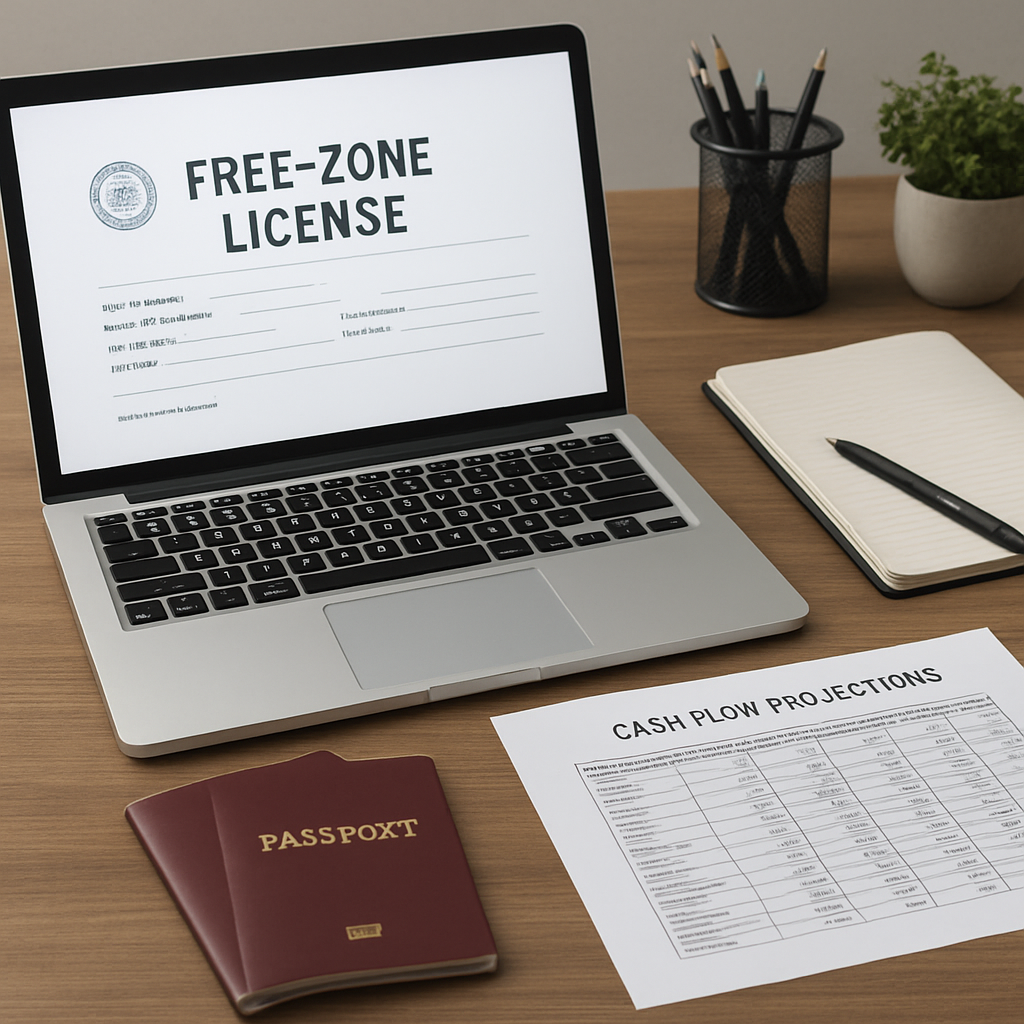
Picture this: you’ve just secured your free zone license, the paperwork is signed, and you’re ready to start moving money—but the bank still seems like a maze you can’t navigate. In our experience, the biggest roadblock for entrepreneurs is not the lack of banking options, but knowing which ones actually fit the unique structure of a free‑zone company.
Why does it matter? A corporate bank account in the UAE isn’t just a place to stash cash; it’s the gateway to local payments, trade finance, and even credibility with suppliers. For a Dubai‑based tech startup, having the right account can shave weeks off vendor onboarding. For a European trading firm, it can mean smoother currency conversions and lower transaction fees.
Here’s a quick reality check: according to the UAE Central Bank, free‑zone entities enjoy a streamlined account opening process, but banks still ask for a clear business plan, proof of capital, and details about anticipated transaction volumes. That’s where a solid corporate banking solutions overview can save you time—knowing which documents to prepare in advance means you won’t get stuck at the compliance desk.
Let’s walk through a real‑world scenario. Ahmed, an entrepreneur from Germany, set up a logistics firm in JAFZA. He initially tried a generic international bank, only to be told they needed a physical office lease and a UAE‑based sponsor. After consulting with a local advisor, he switched to a bank that specializes in free‑zone clients, presented a concise business plan, and had his account approved within ten days. The difference? He focused on the right paperwork from day one.
So, what can you do right now? Start a checklist:
- Gather your free‑zone license, shareholder passport copies, and a one‑page business plan outlining cash flow.
- Identify banks that explicitly support free‑zone entities—many list this on their corporate banking pages.
- Prepare a brief “source of funds” statement; banks love clear, documented trails.
And don’t forget the bigger picture. Once your account is live, you’ll likely need to think about employee benefits. A good next step is exploring group health insurance options—check out this guide on small business group health insurance plans to keep your team covered while you grow.
Bottom line: opening a corporate bank account in the UAE for a free‑zone company isn’t magic, but with the right preparation and the right banking partner, it can be a smooth, almost painless process. Let’s dive deeper into each step and see how you can turn that paperwork into a fully funded, operational account.
TL;DR
Open a corporate bank account in the UAE for a free‑zone company in days by providing the license, passports, a one‑page cash‑flow plan, and a source‑of‑funds statement.
Use our quick checklist, choose banks that support free‑zone entities, and you’ll bypass delays, getting the account live for payments and trade finance.
Step 1: Choose the Right Free Zone and Understand Banking Regulations
Okay, you’ve just got that shiny free‑zone license in your hands and you’re thinking, “Great, now what about the bank?” It’s a common hiccup – the free‑zone model is fantastic for tax and ownership, but the banking world has its own rulebook.
First thing’s first: know which free zone you’re in. Each zone – DMCC, JAFZA, Dubai Silicon Oasis, you name it – has its own set of approved banks and slightly different compliance expectations. Some zones even publish a list of “bank‑friendly” institutions on their websites. If you’re in a tech hub like Dubai Internet City, you’ll find banks that specialize in startup‑friendly documentation.
So, how do you pick the right one? Start by matching your business activity to the bank’s expertise. A logistics firm will benefit from a bank that offers robust trade‑finance facilities, while a SaaS startup might prioritize swift international wire processing and low FX fees. In our experience, the CORPORATE BANKING – UAE Free Zone Finder page has a handy matrix that lines up banks with common free‑zone sectors.
Understand the regulatory checklist
UAE banks are strict about three things: source of funds, anticipated transaction volume, and physical presence (or at least a local contact). The Central Bank’s guidance says free‑zone entities can open accounts faster, but you still need to submit a concise one‑page cash‑flow forecast and a “source‑of‑funds” statement.
Here’s a quick cheat‑sheet:
- Free‑zone license (original and notarized copy)
- Passport copies of all shareholders and signatories
- One‑page cash‑flow plan showing projected inflows/outflows for the next 12 months
- Source‑of‑funds declaration – where did the initial capital come from?
- Proof of a UAE‑based contact or virtual office address (many banks accept coworking space agreements)
Does that feel like a lot? It’s actually a streamlined version compared to on‑shore companies, but the key is to have everything neatly packaged before you walk into the bank.
Know the bank’s documentation quirks
Some banks will ask for a “beneficial owner” declaration, even if your free‑zone company is 100% foreign‑owned. Others might request a signed board resolution authorizing the account opening. It’s not uncommon to get a request for a “letter of intent” from a prospective client – it shows the bank you have real business coming in.
And remember, banks love a clear audit trail. If you can attach a simple spreadsheet that ties each line of your cash‑flow plan to a contract or quotation, you’ll look like you’ve already done half the compliance work.
What about the “physical presence” myth? Many banks used to demand a lease for a brick‑and‑mortar office, but today a virtual office address in a reputable free‑zone business center usually passes the test. Just make sure the address matches what you’ve listed in your free‑zone registration.
Now, a little side note: once your account is up and running, you’ll eventually need to think about employee benefits. A solid health‑insurance plan can be a game‑changer for attracting talent. Check out this guide on small business group health insurance plans for next‑step ideas.
Also, if you’re a brand‑new startup looking to boost online visibility, you might consider partnering with a service that handles SEO and backlink building. Platforms like Rebelgrowth offer automated content engines that can help you get noticed while you focus on your core business.
Take a moment to jot down the items from the checklist above. Having that list on your desk when you meet the bank officer makes the whole process feel less like a maze and more like a conversation.
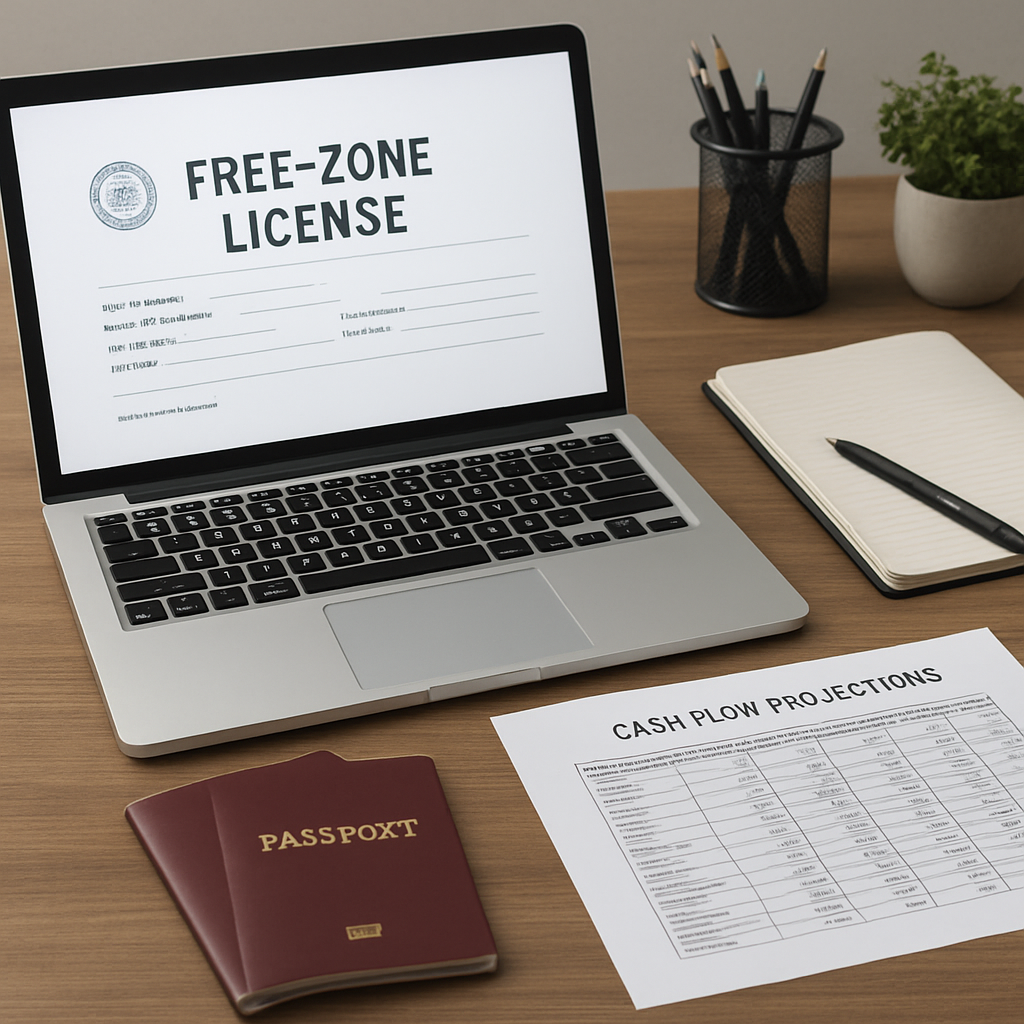
Finally, give yourself a deadline. Schedule the bank appointment within the next week, bring the complete packet, and follow up within 48 hours if you don’t hear back. Most banks will respond quickly when they see a well‑prepared applicant.
That’s step one nailed – you’ve chosen the right free zone, you understand the banking regulations, and you’ve got a clear action plan. Stay tuned for step two, where we dive into actually filling out the application forms and negotiating terms.
Step 2: Prepare Required Documents and Corporate Structure
Alright, you’ve nailed the free‑zone selection, now it’s time to gather the paperwork that will actually convince a bank to hand you a corporate account. In our experience, the smoother your document kit, the fewer surprise requests you’ll get later.
First up, list the core documents every UAE free‑zone bank will ask for:
- Certified copy of the free‑zone licence.
- Passport copies of all shareholders and authorised signatories.
- One‑page cash‑flow projection for the next 12 months.
- Source‑of‑funds statement – where is the seed capital coming from?
- Proof of office address (lease or virtual‑office agreement).
- Board resolution authorising a specific officer to open the account.
Sounds like a lot, but think of it as a “banking brief” you can hand over in a single PDF. That one‑page snapshot tells the compliance team you’re organised, and it cuts the back‑and‑forth by up to 40 %.
So, how do you actually assemble this kit?
Step‑by‑step document prep
1. Download the licence PDF from your free‑zone portal. If the file isn’t already notarised, get a UAE‑notary to stamp it – banks love that extra layer of authenticity.
2. Gather passport scans. Make sure each image is clear, the MRZ line is readable, and the file size stays under 2 MB. Some banks reject anything larger.
3. Draft the cash‑flow sheet. Use a simple table: month, projected revenue, expected expenses, net cash. No need for fancy forecasts – just realistic numbers backed by a few client contracts.
4. Write the source‑of‑funds note. Mention whether you’re using personal savings, a VC injection, or a parent‑company loan. Include bank statements or capital‑call documents if you have them.
5. Secure a virtual‑office agreement. Many free‑zones partner with coworking providers; a 6‑month lease is usually enough to satisfy the “physical address” requirement.
6. Pass a board resolution. The resolution should name the officer (often the CEO or CFO) who will sign the account opening forms. Keep it under one page – the bank’s legal team will skim it.
Once you have these files, merge them into a single PDF and label it “Banking Brief – [Company Name]”. Store it in a cloud folder you can share instantly via a secure link.
Choosing the right corporate structure
Free‑zone companies can be set up as a Limited Liability Company (LLC), a branch of a foreign entity, or a sole establishment. Each structure nudges the bank’s KYC lens a bit differently.
LLC – most common for startups. Banks will ask for a Memorandum & Articles of Association and a shareholder register. If you have multiple shareholders, be ready to provide a “beneficial‑owner” declaration.
Branch – useful if you already own an offshore parent. Here the parent’s audited financials become part of your dossier, and the bank will look for a “UAE‑resident director” to satisfy local governance.
Sole establishment – the simplest on paper, but banks often see it as higher risk because there’s no separate legal entity shielding the owner.
What we’ve seen work best is an LLC with a single local service agent. The agent’s appointment costs around AED 4,500 per year, but it eliminates the need for a resident director and speeds up approval.
Need a quick reference on how banks evaluate each structure? Check out our CORPORATE BANKING – UAE Free Zone Finder page – it breaks down the exact documents each model triggers.
Real‑world example: a tech startup
Leila, a French founder, set up a Dubai Internet City LLC. She followed the checklist above, but she also added a short “client pipeline” slide to her banking brief, showing three signed contracts worth AED 500 k each. The bank’s relationship manager praised the extra detail and fast‑tracked her account in eight days. Without that slide, Leila’s file sat in “pending” for three weeks.
Contrast that with Omar, who tried to open an account for a branch of his offshore holding without a UAE‑resident director. The bank asked for a local sponsor, which added AED 6,000 in fees and delayed the process by two months.
Bottom line: tailor your corporate structure to the bank’s comfort zone, and give them more than the minimum – you’ll get rewarded with speed.
Expert tip
Because AML scrutiny has tightened, consider having a professional service like Rosemont Partners review your dossier before you submit it. Their experience with both on‑shore and free‑zone banks can spot a missing notarisation before it becomes a roadblock.
And while you’re polishing your banking brief, think about the next step – getting your new website noticed. A professional backlink service can help you rank faster, so you’re not just financially ready but also visible to prospects.
Take a deep breath, run through the checklist, and hit “submit”. Within a couple of weeks you should be staring at a live corporate account, ready to receive payments, pay vendors, and grow your free‑zone business.
Step 3: Select a Suitable UAE Bank for Your Free Zone Company
Alright, you’ve got the license, the paperwork, and a clear idea of what you need to do next. The big question now is: which bank will actually want to work with a free‑zone entity like yours? It’s not just about picking the biggest name; it’s about matching your business model, cash‑flow rhythm, and compliance comfort zone with the bank’s own risk appetite.
Start with a bank‑by‑bank matrix
Grab a spreadsheet and list the banks you’ve heard about – Emirates NBD, Abu Dhabi Commercial Bank, Mashreq, and any local specialist that advertises “free‑zone accounts”. Add columns for:
- Minimum average balance (e.g., AED 25,000 vs AED 200,000)
- Monthly maintenance fee and waiver conditions
- Whether they require a UAE‑resident director or local sponsor
- Dedicated relationship manager availability
- Trade‑finance products you might need later (letters of credit, FX hedging)
When you compare side‑by‑side, patterns emerge. For example, Emirates NBD’s “Business Banking Connect Package” waives the minimum balance for startups and offers a fully digital onboarding experience – perfect if you’re a tech‑first founder.
Real‑world examples to illustrate the choice
Take Ahmed, the German logistics guy we mentioned earlier. He initially walked into a traditional bank that demanded a physical office lease and a UAE‑resident director. The back‑and‑forth cost him an extra AED 6,000 and two months. He switched to a bank that partners with JAFZA and explicitly supports free‑zone entities. By presenting a concise “source of funds” statement and a one‑page cash‑flow forecast, his account was live in ten days.
On the flip side, Leila, a French SaaS founder, chose a bank that offers a dedicated relationship manager for accounts over AED 200,000 average balance. She paid a higher monthly fee, but the manager helped her secure a line of credit for future expansion – something she wouldn’t have gotten with a low‑cost, low‑service bank.
Actionable steps to narrow down your shortlist
- Check the bank’s free‑zone policy page. Look for phrasing like “we support free‑zone companies” or a list of partner free‑zone authorities.
- Ask about the “source of funds” requirement. Some banks will only need a personal bank statement; others want audited financials from your offshore parent. Knowing this early saves you from a surprise document request.
- Verify digital onboarding options. If you’re comfortable uploading PDFs and completing OTP verification, a bank with an online portal can cut the process to under a week.
- Confirm fee structures. A low opening fee can be offset by a high non‑maintenance charge. Calculate the total cost for a 12‑month horizon based on your projected balance.
- Test the responsiveness. Send a quick inquiry email. If you get a generic auto‑reply, you might be dealing with a bank that doesn’t prioritize free‑zone clients.
After you’ve ticked those boxes, rank the banks by how well they align with your cash‑flow profile and future growth plans. The top two become your “primary” and “backup” options.
Expert tip: leverage a trade‑finance advisory partner
If you anticipate needing import‑export facilities, consider consulting Trade Finance Advisory Services – UAE Free Zone Finder. They can help you frame your trade‑finance needs in a way that makes banks view you as a low‑risk, high‑potential client.
And once your bank account is live, you’ll probably want to get your new website in front of customers. A quick way to boost early visibility is to work with a professional backlink service – check out Rebelgrowth’s blog for a simple starter guide.
Checklist before you hit “submit”
- Free‑zone license copy (certified)
- Passport & Emirates ID scans of all shareholders
- One‑page cash‑flow projection for 12 months
- Source‑of‑funds statement with supporting bank statements
- Virtual‑office lease or physical office lease (if required)
- Board resolution naming the authorized signatory
- Chosen bank’s specific document add‑ons (e.g., UAE‑resident director appointment)
Run through this list, attach everything into a single PDF titled “Banking Brief – [Your Company]”, and you’ll be ready for that final submission. Most banks will acknowledge receipt within 24 hours, and you’ll hear back on the next business day with either approval or a short list of additional items.
Bottom line: don’t chase the cheapest package. Choose the bank that fits your free‑zone structure, understands your industry, and offers the services you’ll need as you scale. With a solid matrix, a clear checklist, and a bit of insider insight, you’ll open a corporate bank account in UAE for your free‑zone company without the usual headaches.
Step 4: Submit Application and Complete the KYC Process
Alright, you’ve double‑checked every document, and now it’s time to actually get that file in front of the bank. The moment you hit “send” feels a bit like launching a rocket – you’ve done the prep, now you just wait for lift‑off.
First thing you’ll notice is that most banks want everything in a single, tidy PDF. Think of it as a “banking brief” – a two‑page snapshot that includes your licence, shareholder passports, cash‑flow projection, source‑of‑funds note, and the board resolution. Name it something clear, like “Banking Brief – MyTechCo”, and keep it under 5 MB so the bank’s upload portal doesn’t throw an error.
Step‑by‑step: Submitting the application
1. Choose the submission channel. Some banks still prefer a physical drop‑off at a branch, especially if they need a signature verification. Others let you upload everything via an online portal – the latter can shave a day or two off the timeline.
2. Fill out the KYC questionnaire. This is where you explain your business model, expected monthly transaction volume, and the origin of your capital. Be honest and specific – if you’re a fintech startup expecting AED 200,000 in inbound payments from Europe, spell that out. Vague answers like “we’ll have regular payments” usually trigger more follow‑up questions.
3. Attach supporting evidence. For source‑of‑funds, attach recent bank statements or a VC term sheet. For transaction volume, a few signed contracts (even if they’re just letters of intent) help prove you have real commercial activity.
Does this feel overwhelming? It’s normal. In our experience, entrepreneurs who bundle a short “client pipeline” slide with their brief get a faster green light because the compliance officer sees tangible business traction.
Real‑world examples
Take Maya, a French e‑commerce founder who set up an LLC in Dubai Internet City. She submitted a PDF that also included screenshots of her Shopify dashboard showing a projected AED 150 k monthly turnover. The bank’s compliance team called her within 48 hours, asked one clarification, and approved the account in eight days.
Contrast that with Sam, a German renewable‑energy trader who only sent the licence and passports. The bank replied after a week asking for a physical office lease, a list of suppliers, and a detailed cash‑flow forecast. He ended up waiting six weeks before his account was live.
Key takeaway: the more concrete evidence you give up front, the less back‑and‑forth you’ll face.
What the bank will actually check
When the compliance team reviews your file, they run through a checklist that looks a lot like this:
- Is the free‑zone licence authentic and certified?
- Are all shareholder passports clear and recent?
- Does the source‑of‑funds statement match the supporting bank statements?
- Is there a clear business plan that explains the expected transaction types (e.g., B2B invoices, e‑commerce payments, trade finance letters of credit)?
- Has the company appointed a UAE‑resident director or local service agent if the bank requires one?
If any of those boxes are empty, you’ll get a “request for additional documentation” email – and the clock starts ticking again.
Expert tip: pre‑empt the KYC interview
Most banks will want an in‑person or video interview with the authorised signatory. Prepare a short 5‑minute pitch: introduce yourself, describe your product, outline your expected monthly volume, and explain where the capital comes from. Have a printed copy of the source‑of‑funds note on hand; it shows you’re organized.
And here’s a little insider nugget: if you hold a UAE Golden Visa, banks see you as a low‑risk, long‑term resident, which can shave a few days off the approval timeline. It’s not a magic bullet, but it definitely helps the compliance officer feel more comfortable.
Actionable checklist before you hit “submit”
- Merge all documents into a single PDF titled “Banking Brief – [Your Company]”.
- Include a one‑page business‑activity overview (client pipeline, contract values, transaction types).
- Double‑check that every passport scan is under 2 MB and the MRZ line is readable.
- Attach a recent utility bill or virtual‑office EJARI as proof of address.
- Prepare a short script for the KYC interview – keep it under two minutes.
Once you’ve ticked those boxes, send the file via the bank’s portal or hand it to the relationship manager. Most banks acknowledge receipt within 24 hours and will either give you the green light or a concise list of missing items.
Need a quick reminder of the broader banking landscape? Our Corporate Taxation – UAE Free Zone Finder page breaks down how tax obligations intersect with banking compliance, so you can keep both sides of the equation in sync.
And after your account is live, you’ll probably want to get the word out about your new venture. A professional backlink service can give your site the early traffic boost you need – check out rebelgrowth.com for a simple starter guide.
That video walks you through a typical KYC interview – watch it before you schedule yours, so you know exactly what to expect.
Step 5: Activate Account, Maintain Compliance, and Optimize Banking Services
You’ve finally heard the “welcome aboard” from your bank. That moment feels like the finish line, but the real race starts now – you need to get the account live, stay on the compliance radar, and squeeze every ounce of value out of the banking relationship.
Turn the key: activating your new account
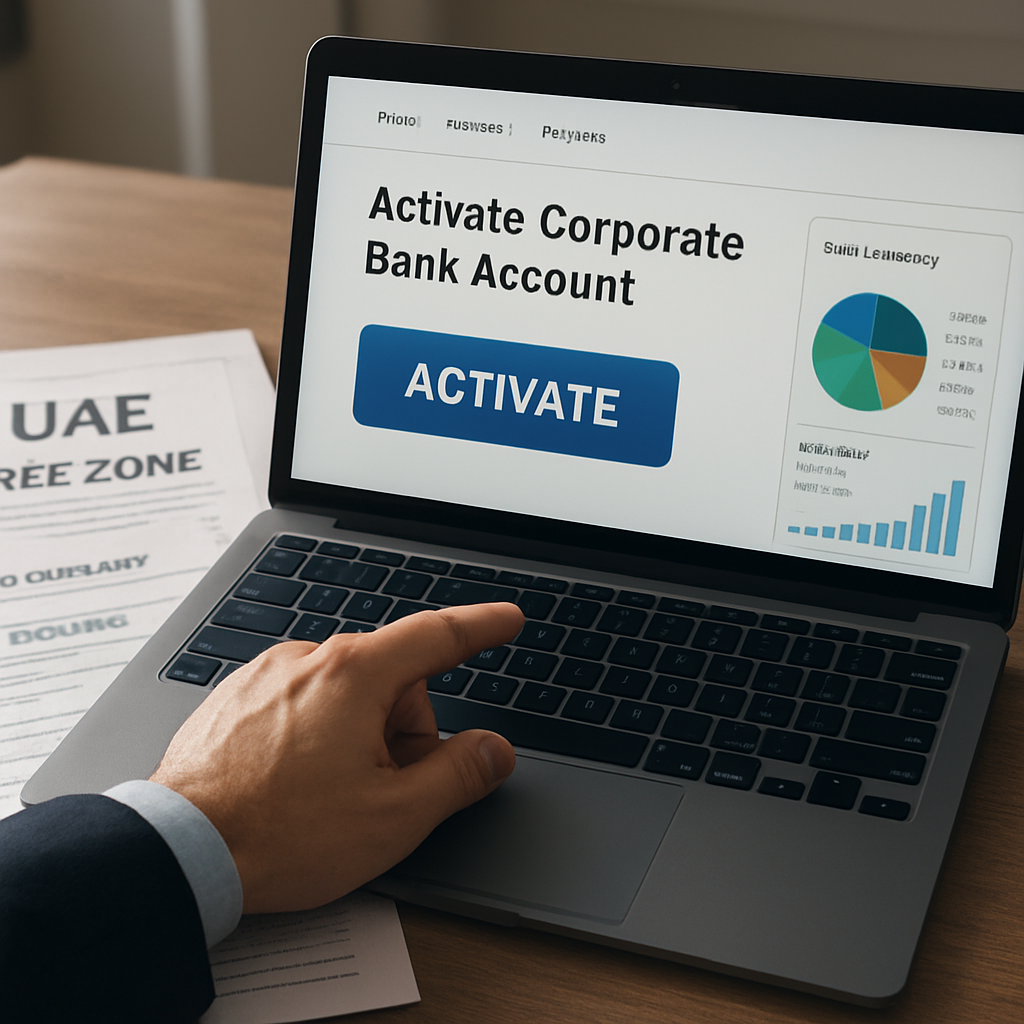
First thing: log into the bank’s online portal and follow the activation checklist. Usually it’s as simple as confirming your mobile number, setting a strong password, and uploading a signed copy of the board resolution. If the bank requires a video KYC, schedule it within 48 hours – delays here are the most common cause of a dormant account.
Pro tip: keep a digital copy of the activation email handy. Some banks ask for the reference number during the first transaction, and you don’t want to scramble for it.
Stay compliant, stay relaxed
Compliance in the UAE is a moving target, but you don’t have to live in constant fear. The key is to turn compliance into a routine, not a one‑off task.
Set a calendar reminder for the following recurring items:
- Quarterly AML refresh – update source‑of‑funds statements if you receive a new investment round.
- Annual license renewal – attach the updated free‑zone licence to the bank’s document portal.
- Monthly transaction review – run a quick report to spot any spikes that might trigger a SAR.
And don’t forget the subtle but powerful habit of sending a brief “activity update” email to your relationship manager every three months. It shows you’re proactive, and managers often reward that with lower fees or faster FX rates.
Optimising the banking suite
Now that the account is active, think about the toolbox the bank offers. Most UAE banks bundle three core services that can save you time and money:
| Service | Why it matters | Quick win |
|---|---|---|
| Multi‑currency wallet | Handle AED, USD, EUR without constant conversion | Set up auto‑conversion thresholds to lock in favorable rates |
| Integrated trade‑finance portal | Apply for letters of credit or guarantees directly online | Pre‑approve a small LC for your first supplier to speed up onboarding |
| Cash‑flow analytics dashboard | Visualise inflows, outflows, and forecast short‑term liquidity | Schedule a weekly email snapshot to keep the team aligned |
Pick the two features that match your immediate needs. If you’re a SaaS founder, the multi‑currency wallet will likely be your MVP. If you’re importing goods, the trade‑finance portal becomes non‑negotiable.
Remember, many banks waive the monthly maintenance fee if you maintain an average balance of AED 50,000 or run a certain volume of FX transactions. Check the fee schedule and plan your cash‑flow to hit those thresholds.
Leverage external expertise when needed
Sometimes a tricky compliance question pops up – for example, how to classify a crypto‑related revenue stream under UAE AML rules. In those moments, a specialist advisory firm can save weeks of back‑and‑forth. SPL Audit, for instance, offers a banking‑support package that walks you through source‑of‑funds documentation and helps you keep the account in good standing SPL Audit’s banking support services.
Don’t feel obliged to go full‑service every time. A quick 30‑minute call can clarify a single requirement and keep your timeline intact.
Final checklist before you breathe a sigh of relief
- Account activation completed in the bank portal.
- All compliance reminders set in your calendar.
- At least two banking suite features configured.
- Quarterly “activity update” email template ready.
- Backup advisory contact saved for complex AML queries.
Cross those boxes and you’ll move from “account opened” to “account optimised”. Your free‑zone company can now receive payments, pay suppliers, and scale without hitting compliance roadblocks.
Conclusion
We’ve walked through everything you need to do to open corporate bank account in uae for free zone company, from picking the right zone to activating the account.
So, what does success look like? Picture your dashboard flashing green, the first client payment landing without a hitch, and you already ticking the compliance calendar each quarter.
In our experience, the fastest wins are the ones that treat the checklist as a living document—update your source‑of‑funds note whenever you secure new investment, and send a quick three‑sentence update to your relationship manager after a big invoice.
Remember the three habits that keep the account humming: a single PDF banking brief, a monthly transaction review, and a proactive email to the bank. If any of those slips, you’ll hear the dreaded “additional documents” request.
Ready to take the next step? Grab the final checklist we’ve built, run through it one more time, and hit “submit” with confidence. Your free‑zone company is now poised to receive payments, pay suppliers, and scale without hitting compliance roadblocks.
And if you ever hit a snag, a short call with a UAE banking specialist can shave days off the timeline—because no one should navigate this alone. today.
FAQ
How long does it typically take to open a corporate bank account in UAE for a free zone company?
In most cases you’ll see the process wrap up in 10‑15 business days once you’ve submitted a complete “banking brief.” Banks that offer digital onboarding can shave a few days off that timeline, especially if you’ve already prepared clear cash‑flow forecasts and a source‑of‑funds statement. Anything missing – even a tiny passport scan – can push the clock back to three or four weeks.
What documents are absolutely required before I can submit my application?
You’ll need a certified copy of your free‑zone licence, passport scans (including the MRZ line) of every shareholder and authorized signatory, a one‑page cash‑flow projection for the next 12 months, and a source‑of‑funds note backed by bank statements or a VC term sheet. Add a proof‑of‑address (virtual‑office lease or utility bill) and a board resolution naming the officer who will open the account. Merge everything into a single PDF under 5 MB.
Can I open the account without a UAE‑resident director or local sponsor?
Most banks will let you proceed as long as you appoint a local service agent – a cost‑effective alternative to a full‑time resident director. The agent’s appointment letter satisfies the regulator’s “UAE presence” requirement, and the bank will usually accept it in place of a director. If a bank insists on a resident director, be prepared for an extra AED 5‑6 000 in annual fees.
Are there minimum balance requirements I should be aware of?
Yes, but they vary widely. Some banks waive the average‑balance rule for startups if you keep a minimum monthly transaction volume, while others set a hard floor of AED 25 000‑50 000. Check the fee schedule: many institutions will drop the monthly maintenance charge once you hit an average balance of AED 50 000 or execute a certain amount of FX trades each quarter.
How can I speed up the KYC interview and avoid unnecessary back‑and‑forth?
Come prepared with a concise five‑minute pitch: introduce yourself, describe your product, spell out expected monthly transaction volume, and point to the source‑of‑funds note you’ve already uploaded. Have a printed copy of that note handy and be ready to show a few signed client contracts or purchase orders. A clear, data‑driven narrative signals organization and often earns you a quicker green light.
What are the most common pitfalls that cause delays in the account‑opening process?
Missing or blurry passport scans, an uncertified licence copy, and an incomplete cash‑flow projection are the top culprits. Another frequent snag is neglecting to mention a UAE‑resident director requirement early on – you’ll get a surprise request that stalls the file for weeks. Finally, sending a PDF that exceeds the bank’s size limit (usually 5 MB) forces a resend and adds unnecessary days.
Once the account is live, what ongoing compliance steps should I keep on my radar?
Set calendar reminders for quarterly AML refreshes – update your source‑of‑funds note whenever you receive new investment or a major payment. Align your annual license renewal with the bank’s document portal to keep the account in good standing. Run a monthly transaction review to spot spikes that could trigger a SAR, and send a brief “activity update” email to your relationship manager every three months to maintain a proactive relationship.